
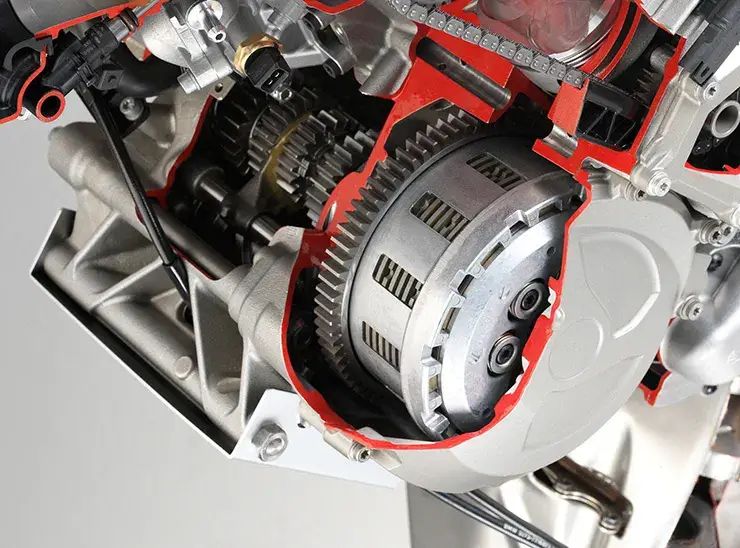
The Key to Smooth Riding Is Not What You Think
I see it with almost every new student: a battle with jerky starts, wobbly low-speed maneuvers, and a frustrating sense that they’re not quite in sync with their machine. Every pull away from a traffic light feels unpredictable, and tight turns in a parking lot are a source of anxiety. You might think the secret lies in the throttle or the brakes, but the real key to smooth, confident control is hiding in plain sight on your left handlebar.
The solution lies in truly understanding your motorcycle’s clutch. For many riders, especially those with experience driving a manual car, the clutch’s function seems obvious. But a motorcycle clutch operates on principles that are often surprising and counter-intuitive. What is considered bad practice in a car is not only acceptable on a bike; it’s essential for advanced control.
This article will reveal four fundamental truths about your motorcycle’s clutch that will challenge what you think you know. By mastering these concepts, you will unlock a new level of finesse and transform your relationship with your bike, turning jerky starts and wobbly turns into a thing of the past.
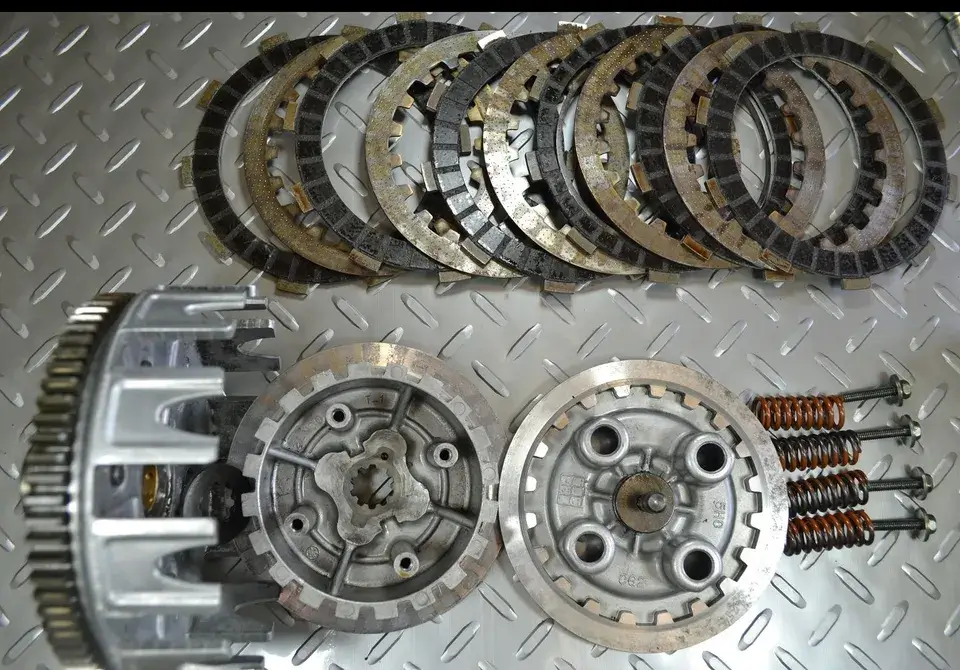
Forget What You Learned in a Car: “Riding the Clutch” Is Your Secret Weapon
This is the first and most important habit we have to break from driving a car. The cardinal rule they teach you is “Don’t ride the clutch!” You’re told that letting your foot linger on the pedal will burn out the clutch in short order. On a motorcycle, you need to throw that rule out the window. Not only is it okay to “ride the clutch,” it’s the professional technique for maintaining smoothness, balance, and control.
Purposely riding the clutche (partially engaging it for extended periods) is the secret to seamless starts, controlled stops, and confident low-speed handling. But why is this so critical on a bike? It comes down to basic physics. Since motorcycles are much lighter, they also don’t have enough mass to calm jerkiness down like a car does. Any abrupt change in power delivery is felt instantly.
Jerkiness is the enemy of motorcycle stability and control. It can lead to unintended wheelies, or lead to tip-overs due to sudden jerkiness while the motorcycle is leaned over.
Now, a crucial clarification: when we say “ride the clutch,” we mean using it actively for control during low-speed maneuvers. This is different from the bad habit of holding the clutch partially in for long periods while stationary at a stoplight, which still generates unnecessary heat and wear. The key is active modulation, not passive holding.
But how is this possible without destroying the clutch like you would in a car? The answer lies in a brilliant piece of engineering that makes this technique the intended way to operate the machine.
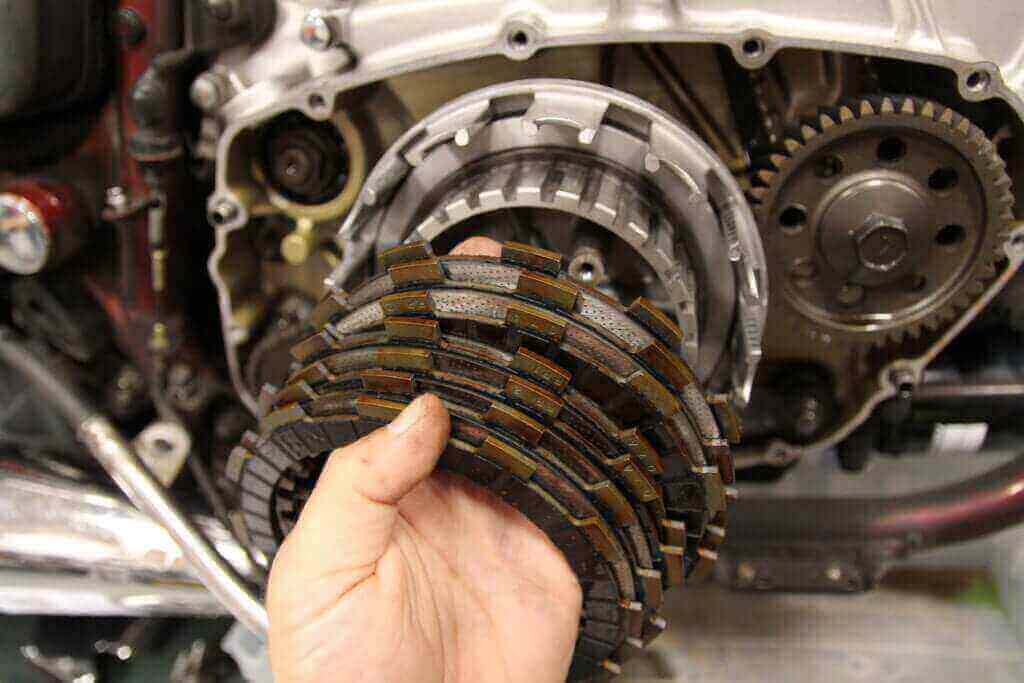
Your Clutch Bathes in Oil (And That Changes Everything)
The reason you can ride a motorcycle clutch without destroying it is a brilliant piece of engineering called the “wet clutch.” As the name implies, a wet clutch is one where the internal friction plates are constantly bathed in engine oil. Almost every modern motorcycle on the road today has one.
In a car’s “dry clutch,” friction creates intense heat that has nowhere to go. Riding the clutch causes this heat to build up rapidly, burning the friction material and leading to premature failure. In a motorcycle’s wet clutch, the engine oil acts as a powerful coolant, constantly carrying heat away from the plates. This system completely changes the rules of engagement.
The key benefits of a wet clutch system are:
- Heat Dissipation: It allows you to ride the clutch for extended periods, especially at low speeds, without causing damage or overheating.
- Smooth Engagement: The oil provides lubrication that results in smoother, more progressive clutch engagement, helping to eliminate jerkiness.
- Longer Life: By reducing heat and wear, a wet clutch generally has a much longer service life than its dry counterpart.
This cooling system is the key that unlocks the most important technique for low-speed control: mastering the friction zone.
Master the “Friction Zone,” Not Just the Lever
Here’s where the lightbulb goes on for most riders. Many new riders treat the clutch lever like a simple on/off switch. But the real magic happens in a small, specific part of the lever’s travel called the “friction zone.” Think of the friction zone not as a single point, but as a small “dimmer switch” for power within the lever’s range of motion. This is the absolute key to smooth starts and impeccable low-speed handling.
The secret isn’t just finding the friction zone; it’s learning to live at the very beginning of it. I like to use the analogy of a belt sander. For fine sanding, you don’t slam the object against the belt; you gently kiss the object to the belt and pull it away. The beginning of the friction zone is that first moment of contact. A tiny squeeze of the lever pulls you away from the power; a tiny release reapplies it. This gives you micro-adjustments instead of the jerky lurches you get when operating near the end of the zone.
You can easily find your bike’s friction zone with the engine off:
- Sit on your bike and put it in first gear.
- With the clutch lever pulled all the way in, try to roll the motorcycle forward.
- Slowly release the lever until you feel the bike begin to resist rolling. That point is the start of your friction zone.
- Continue releasing until the bike fully resists rolling – this is the end of the friction zone. Rock the bike back and forth while playing with the lever in this small range to build muscle memory of where the power begins and where it is fully engaged.
The Lever Isn’t a Handle, It’s a Performance Part
It’s easy to overlook the physical clutch lever itself, but it’s far more than a simple handle. The lever is the primary tactile link between you and your machine’s drivetrain, directly impacting your comfort, control, and even safety. High-quality aftermarket levers are considered performance parts for good reason.
Unlike the stock plastic or basic metal levers on many bikes, performance levers are often crafted from durable, lightweight materials like billet aluminum. They are engineered to improve your riding experience with features like:
- Ergonomic Design: Shaped to fit the hand comfortably, reducing finger strain and fatigue on long rides.
- Adjustability: Often equipped with a screw mechanism or quick-adjust dial that allows you to fine-tune the lever’s reach and angle, customizing it perfectly to your hand size and preference.
- Unbreakable Pivot Designs: A key safety and durability feature, this allows the lever to fold forward in a crash or tip-over instead of snapping off, saving you from being stranded.
Investing in a quality lever isn’t an aesthetic upgrade; it’s about enhancing your control and ensuring your bike’s components are resilient and reliable.
From a Simple Switch to a Tool of Finesse
Stop thinking of your clutch as a switch for gear changes. Start seeing it for what it is: your primary tool for grace and stability. It’s the key to making the machine an extension of your will. Understanding that it’s a wet clutch designed to be ridden, mastering the delicate inputs of the friction zone, and appreciating the lever itself as a piece of performance equipment will fundamentally change your riding. This knowledge transforms you from a passenger operating a machine to a rider in complete control.
Now that you see the clutch as your tool for fine control, what’s the first skill you’ll practice on your next ride?
Bonus: Maintenance Tips for Your Clutch
Maintaining your motorcycle’s clutch is essential for smooth and safe riding. Here are some maintenance tips to keep your clutch in top condition:
Regular Inspection: Periodically inspect the clutch lever for free play and adjust it according to your motorcycle’s manual. Ensure the clutch cable or hydraulic system is in good condition.
Lubrication: If your bike uses a cable-operated clutch, lubricate the cable to prevent it from binding or fraying. For hydraulic clutches, check the fluid level and replace it if it’s contaminated or low.
Clutch Plate Inspection: Over time, clutch plates can wear out. Inspect the clutch plates for wear and replace them if they are nearing their service limit. This is a relatively straightforward task for those comfortable with basic motorcycle maintenance.
Practice Smooth Shifting: Smooth, controlled shifting reduces stress on the clutch and extends its life. Avoid excessive clutch slipping during gear changes.
Maintain Proper Chain Tension: If your motorcycle uses a chain drive, ensure the chain is properly tensioned. A loose chain can cause excessive wear on the clutch.
Clutch Cable Replacement: For cable-operated clutches, consider replacing the clutch cable at regular intervals to prevent unexpected failures.