Posted on by Service ManualsComments Off on Beyond the Brand: 4 Surprising Truths About American vs. Japanese CruisersPosted in blog
It’s a debate that echoes from sun-drenched bike nights to the anonymous forums of the internet: American iron versus Japanese precision. For decades, riders have sworn allegiance to either Harley-Davidson and Indian or to the metric might of Honda, Kawasaki, or Suzuki. The conversation often grinds down into tired stereotypes; reliability, cost, and a vague “cool factor.” But the truth, as it often does, lies buried deeper. Forget the clichés. We’re cutting through the noise with an analysis grounded in both the garage, with real rider stories, and the engineering bay, using hard technical data. Here are four surprising truths that will change how you think about this iconic rivalry.
The Financial Equation Is a Loop, Not a Straight Line
The most common assumption is that Japanese cruisers are the undisputed value champions. A prospective buyer on Reddit, for example, noted the stark difference between a 2013 Switchback listed for $13,000 and a 2008 Vulcan 1500 available for just $4,000 to $6,000. On paper, the choice for a budget-conscious rider seems obvious.
However, the financial story has a counter-intuitive twist: resale value. While American cruisers command a higher initial price, a technical breakdown of the market reveals they generally retain their value far more effectively. The lower entry price of a Japanese cruiser is often directly offset by a lower selling price when it’s time to upgrade. This creates a financial “loop” where the long-term cost of ownership is far more complex than the initial sticker shock suggests. As one rider succinctly put it:
“Only downside for harley is the buying price. But downside for a jap is the selling price.”
But the financial calculation is only part of the ownership story. For many, the decision isn’t made on a spreadsheet, but in the soul, where brand means more than just a badge.
You’re Buying Into a Culture, Not Just a Machine
The decision between an American and a Japanese cruiser goes well beyond performance metrics. Choosing an American cruiser, particularly a Harley-Davidson, is often about joining a community and embracing a specific legacy. This isn’t just marketing fluff; it’s a tangible part of the package. A technical analysis identifies “Iconic Design and Heritage” as a core strength of American brands, but what does that mean?
It means buying into an experience powered by torque-heavy V-twin engines, whose deep rumble from the exhaust is the unmistakable soundtrack of that heritage. That sound, that feel, is the visceral pull that creates such a powerful sense of identity. It’s a social decision as much as a mechanical one, a reality underscored by one rider who observed that some in the Harley community “look down on anything that isn’t a Harley.” It’s an investment in an identity, as another owner insightfully noted:
“You get a Harley to basically be in the harley club (I dont mean that as a shot) and to be a part of the american harley history.”
And that sense of identity often extends to making the machine uniquely your own, which is where another common assumption begins to fall apart.
The Customization Gap Is Wider Than You Think
For many riders, a cruiser isn’t a finished product; it’s a canvas for self-expression. While nearly any motorcycle can be customized, the sheer ease and breadth of available options represent a massive difference between the two categories. A technical breakdown reveals that “extensive” aftermarket support is a hallmark of American cruisers, while Japanese models often have “limitations in personalization.”
As one rider’s firsthand experience illustrates, this technical reality has very practical consequences. The owner, posting under the handle tekonus on Reddit, described his frustration with a previous Honda, where he had a choice of only two windshields and a single option for a rider backrest. He contrasts this sharply with his Harley Street Glide, for which he could choose from “dozens of different windshields, seats, exhaust, etc.” For a rider who wants to build a machine that is a true reflection of themselves, the vast aftermarket support for American brands is a critical, and often overlooked, advantage.
But personalization is pointless if the bike doesn’t feel right on the road, bringing us to one of the most persistent myths in the cruiser world: handling.
“Better Handling” Is a Myth, It Depends on the Road
A common stereotype suggests Japanese cruisers, with their reputation for “precision engineering” and “lightweight construction,” are universally more nimble than their heavier American counterparts. Technical analysis supports this to a degree, noting they often slice through traffic with an agility well-suited for “urban commuting and winding roads.” American cruisers, with their signature “weight and size,” are often typecast as masters of “long-distance cruising” on straight roads only.
But a rider’s direct experience can tell a surprisingly different story. One user, after owning four Japanese bikes, was shocked when he rode his friend’s older, heavier Harley-Davidson Electra Glide. He found it “handled and rode 1000x better” than his Yamaha. This anecdote dismantles the stereotype, proving that clever engineering can overcome raw weight. Handling isn’t determined by a bike’s country of origin, but by its design intent. The best-handling bike is ultimately the one that feels best to the rider for their specific style of riding.
Conclusion
The choice between an American and a Japanese cruiser is deeply personal, a complex decision that forces a rider to confront their own priorities. It’s a series of trade-offs that go far beyond the common chatter about cost and reliability. The “better” bike is the one that aligns with what you value most—be it the long-term financial equation, the pull of a cultural community, the freedom of limitless creativity, or the pure, unadulterated feel of the ride itself.
So, the question isn’t which bike is objectively better, but which bike is a better reflection of the rider you want to be?
For those of us who live and breathe motorcycles, the experience is visceral. It’s the mechanical roar of a V-twin, the smell of exhaust, the vibration that travels from the engine right through your bones. For decades, that’s been the undisputed soundtrack of freedom on two wheels. But a silent revolution is underway, a remarkable transformation that’s not just changing the sound of riding, but the very soul of it.
This isn’t another story about being eco-friendly but a dispatch from the front lines of a performance paradigm shift. Electric motorcycles are here, and they are challenging everything we thought we knew. This article dives past the headlines to explore the most surprising, game-changing truths about the electric wave that’s reshaping our passion.
Forget ‘Quiet’; The Real Story is Instant, Brutal Power
One of the biggest misconceptions about electric bikes is that their main feature is silence. The real story, the one that’ll leave you grinning from ear to ear, is instant torque. While a traditional gasoline engine has to build revs to hit its powerband, an electric motor unleashes a tidal wave of silent, seamless acceleration the very instant you twist the throttle. There’s no lag, no waiting, just an unrelenting push that presses you into the seat.
This immediate response provides a “seamless surge of power,” creating a feeling of being launched forward that is fundamentally different from a gas-powered bike. For many riders, new and old, this raw, instantaneous performance is the most thrilling and unexpected revelation of going electric…
…an exhilarating experience that’s difficult to match with gasoline engines.
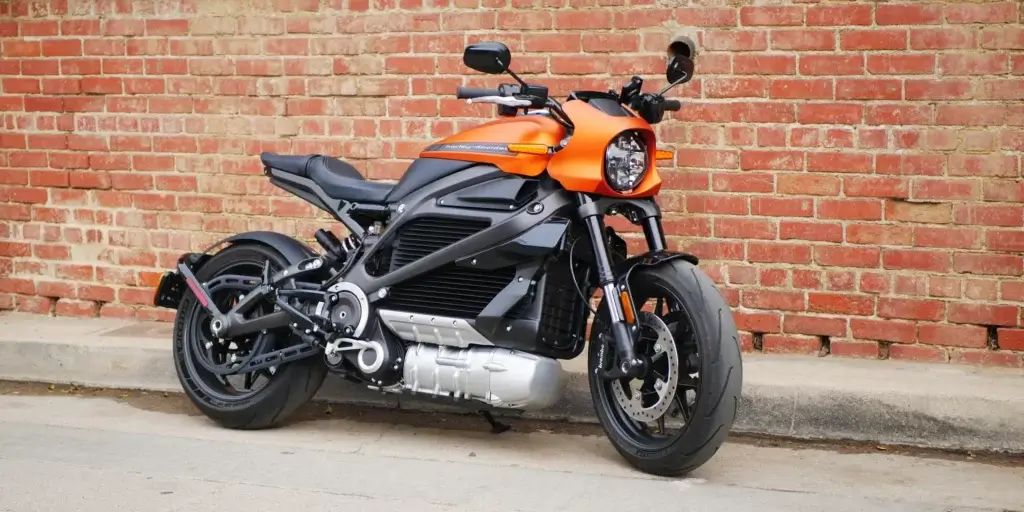
Harley Davidson LiveWire
The Sound of Silence: A New Riding Experience
In stark contrast to the familiar bark of an exhaust pipe, electric motorcycles move with an almost surreal quietness. The hushed hum of the motor offers a completely new kind of immersion, one that transforms the ride itself. This isn’t just about reducing noise pollution; it’s about elevating the experience.
Imagine swapping the fatiguing drone of a long highway trip for a head-clearing silence where the only sounds are the wind and your tires on the pavement. On a winding country road, you can hear the world around you in a way you never could before. This allows for a more serene, focused, and deeply connected ride, bringing you closer to your surroundings and the simple joy of the road.
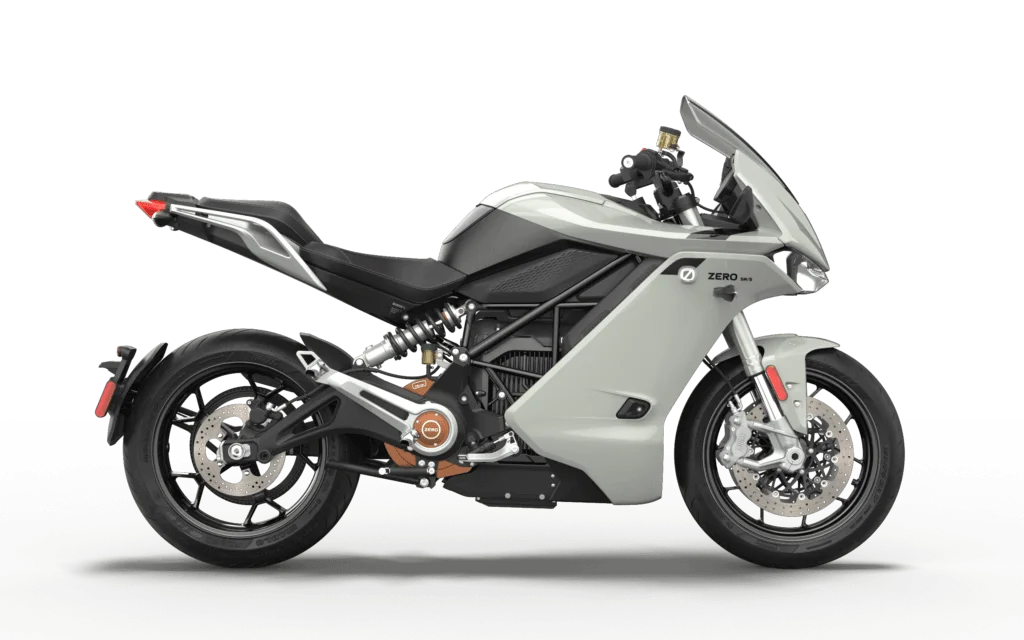
Zero Motorcycle
Your Wallet Will Thank You in the Long Run
Let’s address the elephant in the room: the sticker price. Yes, many electric motorcycles have a higher upfront cost than their gasoline-powered cousins. But thinking about the purchase price is only half the story; the real financial advantage reveals itself every time you ride past a gas station and every year you skip a major service bill.
The long-term savings come from two key areas:
Fuel Costs: Electricity is significantly cheaper than gasoline. “Filling up” overnight in your garage costs a fraction of a tank of premium unleaded.
Maintenance: Electric motors have drastically fewer moving parts. That means no more Saturday mornings lost to oil changes, spark plug replacements, or valve adjustments; just more time on the road.
Over the life of the bike, these dramatically lower maintenance requirements and operating costs can more than offset the initial investment, making an electric motorcycle a surprisingly shrewd financial choice.
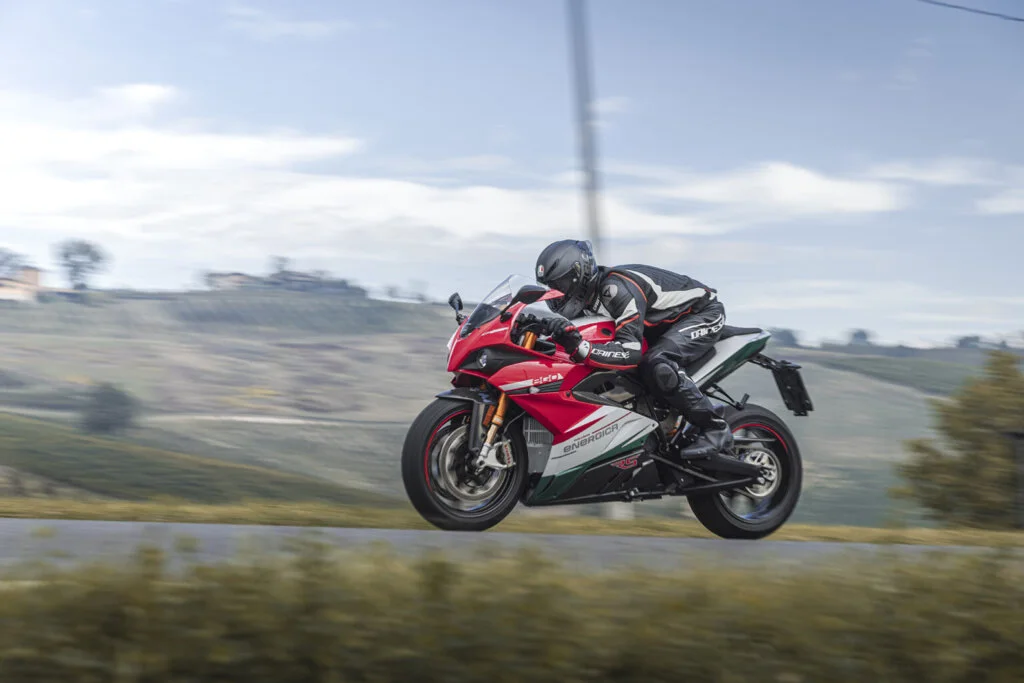
Energica Ego
It’s Not a Fad: Legacy Brands and Pioneers Are All In
If you think the electric movement is a niche trend confined to startups, think again. This is a serious, industry-wide shift, and the biggest names in the business are fully committed. Prominent manufacturers, from iconic American legends to dedicated electric pioneers, are all in.
Harley-Davidson: The iconic brand roared into the electric age with its LiveWire model, a stunning machine that combines “classic Harley-Davidson styling with modern electric technology.”
Zero Motorcycles: A “pioneer” in the industry from the start, Zero offers a diverse lineup known for incredible agility, impressive range, and smart connectivity features.
Energica: Hailing from Italy’s legendary Motor Valley, Energica has gained attention for its “high-performance electric sportbikes,” built for pure speed and embraced by enthusiasts who demand top-tier performance.
The commitment from these major players is definitive proof: electric motorcycles aren’t just eco-alternatives; they are captivating, high-performance machines that are here to stay.
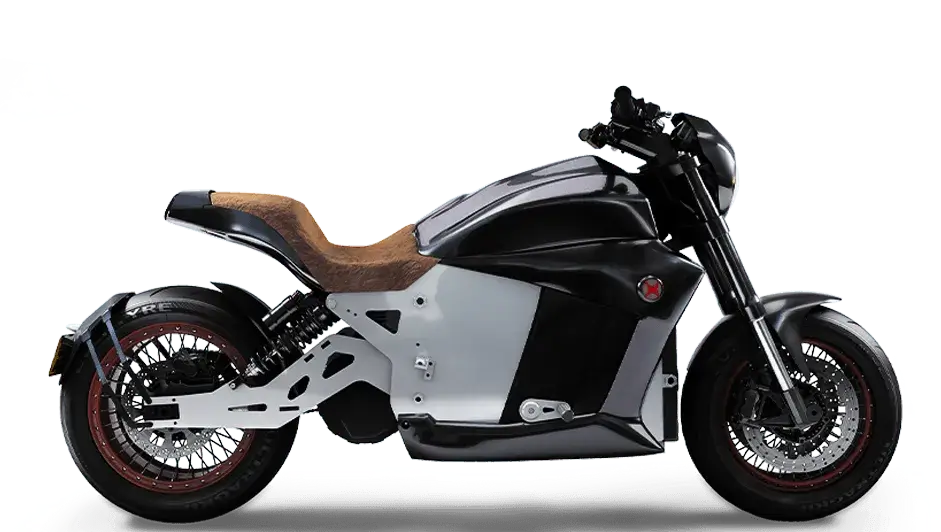
Verge motorcycle
Are You Ready for the Future of Riding?
The electric motorcycle revolution offers so much more than zero emissions. It delivers a potent cocktail of instantaneous performance, a uniquely immersive riding experience, and undeniable long-term savings.
While challenges like “range anxiety” and the growth of “charging infrastructure” are still part of the conversation, the technology is improving at a breathtaking pace. The revolution is already underway. The only question left is, will you be leading the charge or watching from the sidelines?
I see it with almost every new student: a battle with jerky starts, wobbly low-speed maneuvers, and a frustrating sense that they’re not quite in sync with their machine. Every pull away from a traffic light feels unpredictable, and tight turns in a parking lot are a source of anxiety. You might think the secret lies in the throttle or the brakes, but the real key to smooth, confident control is hiding in plain sight on your left handlebar.
The solution lies in truly understanding your motorcycle’s clutch. For many riders, especially those with experience driving a manual car, the clutch’s function seems obvious. But a motorcycle clutch operates on principles that are often surprising and counter-intuitive. What is considered bad practice in a car is not only acceptable on a bike; it’s essential for advanced control.
This article will reveal four fundamental truths about your motorcycle’s clutch that will challenge what you think you know. By mastering these concepts, you will unlock a new level of finesse and transform your relationship with your bike, turning jerky starts and wobbly turns into a thing of the past.
Forget What You Learned in a Car: “Riding the Clutch” Is Your Secret Weapon
This is the first and most important habit we have to break from driving a car. The cardinal rule they teach you is “Don’t ride the clutch!” You’re told that letting your foot linger on the pedal will burn out the clutch in short order. On a motorcycle, you need to throw that rule out the window. Not only is it okay to “ride the clutch,” it’s the professional technique for maintaining smoothness, balance, and control.
Purposely riding the clutche (partially engaging it for extended periods) is the secret to seamless starts, controlled stops, and confident low-speed handling. But why is this so critical on a bike? It comes down to basic physics. Since motorcycles are much lighter, they also don’t have enough mass to calm jerkiness down like a car does. Any abrupt change in power delivery is felt instantly.
Jerkiness is the enemy of motorcycle stability and control. It can lead to unintended wheelies, or lead to tip-overs due to sudden jerkiness while the motorcycle is leaned over.
Now, a crucial clarification: when we say “ride the clutch,” we mean using it actively for control during low-speed maneuvers. This is different from the bad habit of holding the clutch partially in for long periods while stationary at a stoplight, which still generates unnecessary heat and wear. The key is active modulation, not passive holding.
But how is this possible without destroying the clutch like you would in a car? The answer lies in a brilliant piece of engineering that makes this technique the intended way to operate the machine.
Your Clutch Bathes in Oil (And That Changes Everything)
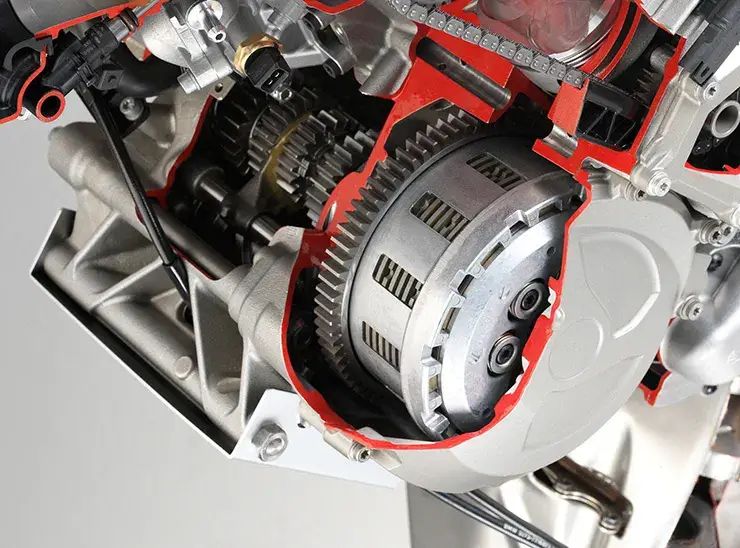
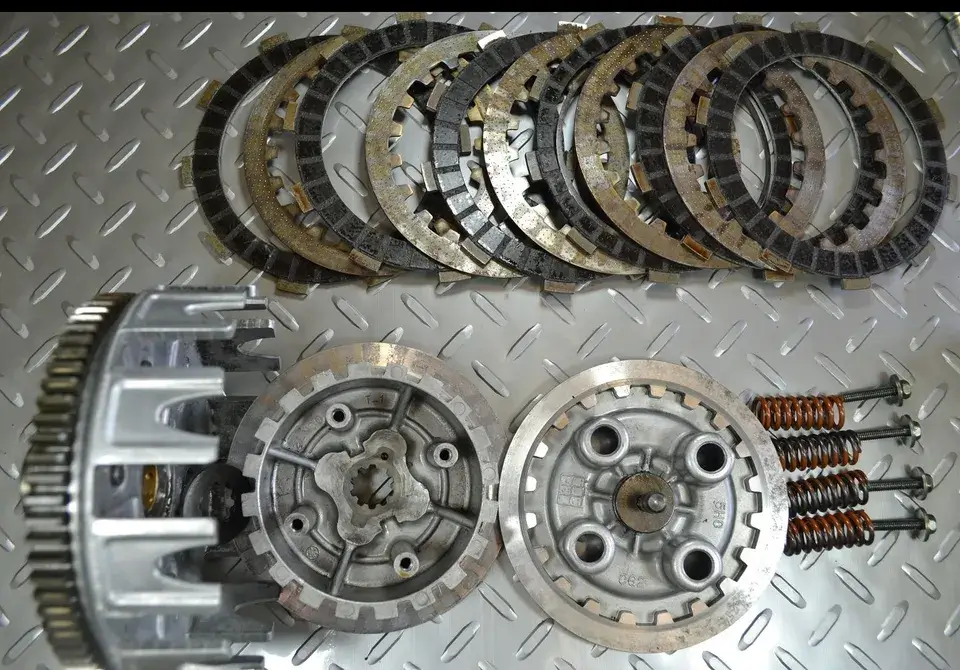
The reason you can ride a motorcycle clutch without destroying it is a brilliant piece of engineering called the “wet clutch.” As the name implies, a wet clutch is one where the internal friction plates are constantly bathed in engine oil. Almost every modern motorcycle on the road today has one.
In a car’s “dry clutch,” friction creates intense heat that has nowhere to go. Riding the clutch causes this heat to build up rapidly, burning the friction material and leading to premature failure. In a motorcycle’s wet clutch, the engine oil acts as a powerful coolant, constantly carrying heat away from the plates. This system completely changes the rules of engagement.
The key benefits of a wet clutch system are:
Heat Dissipation: It allows you to ride the clutch for extended periods, especially at low speeds, without causing damage or overheating.
Smooth Engagement: The oil provides lubrication that results in smoother, more progressive clutch engagement, helping to eliminate jerkiness.
Longer Life: By reducing heat and wear, a wet clutch generally has a much longer service life than its dry counterpart.
This cooling system is the key that unlocks the most important technique for low-speed control: mastering the friction zone.
Master the “Friction Zone,” Not Just the Lever
Here’s where the lightbulb goes on for most riders. Many new riders treat the clutch lever like a simple on/off switch. But the real magic happens in a small, specific part of the lever’s travel called the “friction zone.” Think of the friction zone not as a single point, but as a small “dimmer switch” for power within the lever’s range of motion. This is the absolute key to smooth starts and impeccable low-speed handling.
The secret isn’t just finding the friction zone; it’s learning to live at the very beginning of it. I like to use the analogy of a belt sander. For fine sanding, you don’t slam the object against the belt; you gently kiss the object to the belt and pull it away. The beginning of the friction zone is that first moment of contact. A tiny squeeze of the lever pulls you away from the power; a tiny release reapplies it. This gives you micro-adjustments instead of the jerky lurches you get when operating near the end of the zone.
You can easily find your bike’s friction zone with the engine off:
Sit on your bike and put it in first gear.
With the clutch lever pulled all the way in, try to roll the motorcycle forward.
Slowly release the lever until you feel the bike begin to resist rolling. That point is the start of your friction zone.
Continue releasing until the bike fully resists rolling – this is the end of the friction zone. Rock the bike back and forth while playing with the lever in this small range to build muscle memory of where the power begins and where it is fully engaged.
The Lever Isn’t a Handle, It’s a Performance Part
It’s easy to overlook the physical clutch lever itself, but it’s far more than a simple handle. The lever is the primary tactile link between you and your machine’s drivetrain, directly impacting your comfort, control, and even safety. High-quality aftermarket levers are considered performance parts for good reason.
Unlike the stock plastic or basic metal levers on many bikes, performance levers are often crafted from durable, lightweight materials like billet aluminum. They are engineered to improve your riding experience with features like:
Ergonomic Design: Shaped to fit the hand comfortably, reducing finger strain and fatigue on long rides.
Adjustability: Often equipped with a screw mechanism or quick-adjust dial that allows you to fine-tune the lever’s reach and angle, customizing it perfectly to your hand size and preference.
Unbreakable Pivot Designs: A key safety and durability feature, this allows the lever to fold forward in a crash or tip-over instead of snapping off, saving you from being stranded.
Investing in a quality lever isn’t an aesthetic upgrade; it’s about enhancing your control and ensuring your bike’s components are resilient and reliable.
From a Simple Switch to a Tool of Finesse
Stop thinking of your clutch as a switch for gear changes. Start seeing it for what it is: your primary tool for grace and stability. It’s the key to making the machine an extension of your will. Understanding that it’s a wet clutch designed to be ridden, mastering the delicate inputs of the friction zone, and appreciating the lever itself as a piece of performance equipment will fundamentally change your riding. This knowledge transforms you from a passenger operating a machine to a rider in complete control.
Now that you see the clutch as your tool for fine control, what’s the first skill you’ll practice on your next ride?
Bonus: Maintenance Tips for Your Clutch
Maintaining your motorcycle’s clutch is essential for smooth and safe riding. Here are some maintenance tips to keep your clutch in top condition:
Regular Inspection: Periodically inspect the clutch lever for free play and adjust it according to your motorcycle’s manual. Ensure the clutch cable or hydraulic system is in good condition.
Lubrication: If your bike uses a cable-operated clutch, lubricate the cable to prevent it from binding or fraying. For hydraulic clutches, check the fluid level and replace it if it’s contaminated or low.
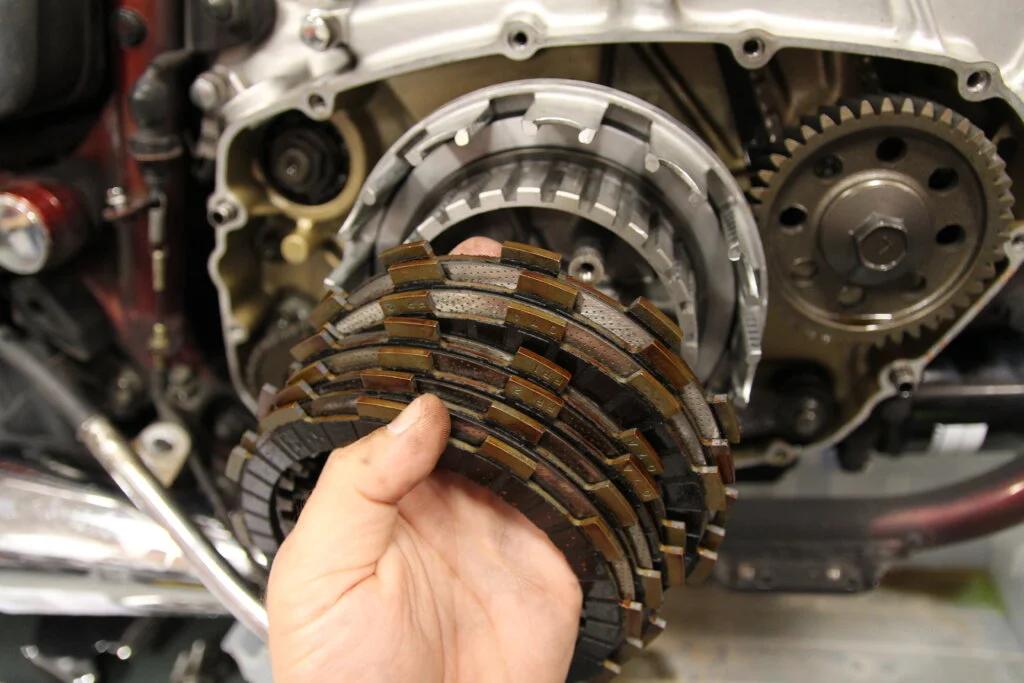
Clutch Plate Inspection: Over time, clutch plates can wear out. Inspect the clutch plates for wear and replace them if they are nearing their service limit. This is a relatively straightforward task for those comfortable with basic motorcycle maintenance.
Practice Smooth Shifting: Smooth, controlled shifting reduces stress on the clutch and extends its life. Avoid excessive clutch slipping during gear changes.
Maintain Proper Chain Tension: If your motorcycle uses a chain drive, ensure the chain is properly tensioned. A loose chain can cause excessive wear on the clutch.
Clutch Cable Replacement: For cable-operated clutches, consider replacing the clutch cable at regular intervals to prevent unexpected failures.
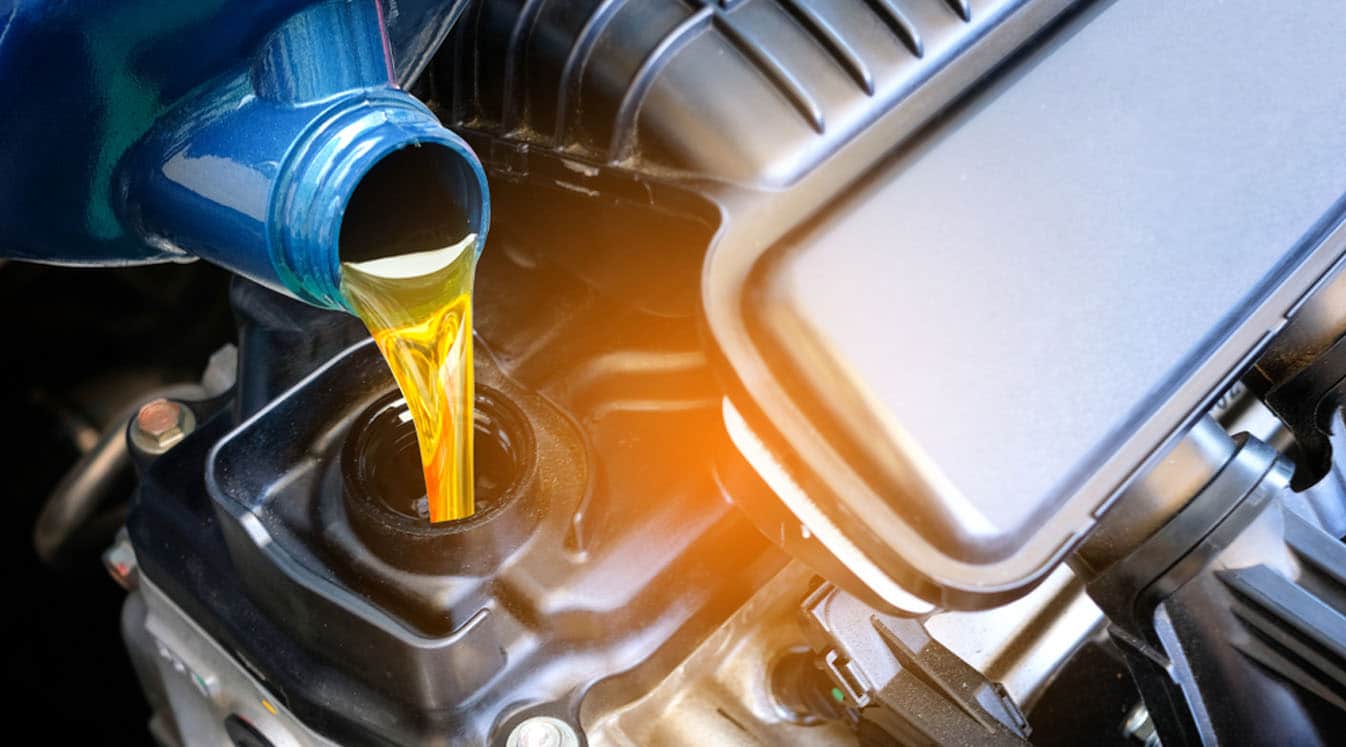
In the world of motorcycles, the importance of choosing the right oil cannot be overstated. Just as our bodies rely on blood to function, your motorcycle’s engine depends on oil to operate efficiently and stay healthy. In this comprehensive guide, we’ll explore the crucial role of oil in motorcycles, dive into the various additives found in oil, guide you through the process of selecting the best oil for your bike, and offer essential tips on oil maintenance and changes. Whether you’re a seasoned rider or just starting out, this guide will help you make informed decisions about one of the most critical aspects of motorcycle ownership.
The Vital Role of Oil in Motorcycles
To truly appreciate the importance of oil in motorcycles, it’s essential to delve deeper into the intricate and critical functions that oil performs within your bike’s engine. Consider motorcycle oil as the lifeblood of your ride, flowing through the heart of your engine to keep it running smoothly and efficiently.
1. Lubrication: The most fundamental function of oil in a motorcycle engine is lubrication. Imagine the myriad of moving parts within your engine, such as pistons, crankshafts, and camshafts, all working in unison at incredibly high speeds. Without proper lubrication, the friction between these components would be excessive, leading to rapid wear and tear. Motorcycle oil forms a protective film between these moving parts, significantly reducing friction and wear. This ensures that your engine runs smoothly, extends its lifespan, and maintains its performance over time.
2. Cooling: As your motorcycle’s engine operates, it generates an immense amount of heat. Without effective cooling, this heat would reach critical levels, leading to overheating and potential engine damage. Motorcycle oil plays a vital role in cooling the engine by absorbing and carrying away excess heat from various components. It acts as a heat transfer medium, helping to maintain optimal operating temperatures and preventing overheating during long rides or high-speed runs.
3. Cleaning: Engines are not immune to the accumulation of dirt, debris, and contaminants over time. If left unchecked, these particles can create harmful deposits that hinder engine performance and efficiency. Motorcycle oil acts as a cleaning agent, capturing these contaminants and carrying them away from critical engine components. It essentially flushes out impurities, ensuring that the engine remains clean and free from harmful buildup.
4. Sealing: Within your engine, there are numerous seals and gaskets that help maintain proper compression and prevent oil leaks. Motorcycle oil contributes to the longevity and effectiveness of these seals by forming a protective film around them. This film helps maintain a proper seal, preventing oil from escaping and maintaining compression, which is crucial for engine power and efficiency.
5. Noise Reduction: Engines can be noisy affairs, with various components moving and interacting rapidly. Motorcycle oil has another valuable function in dampening engine noise. It helps reduce the clattering and rattling sounds that can be produced by moving parts, contributing to a quieter and more enjoyable riding experience.
In essence, motorcycle oil is the unsung hero of your bike’s engine, performing a multitude of critical tasks that are often taken for granted. It ensures that your engine operates smoothly, remains at the right temperature, stays clean, maintains proper compression, and even contributes to a quieter ride. Understanding the vital role of oil in your motorcycle is the first step in appreciating the significance of selecting the right oil and maintaining it properly for countless miles of worry-free riding adventures.
Understanding Oil Additives
Let’s delve deeper into the world of oil additives and understand how they enhance the performance of motorcycle oil.
Viscosity Index Improvers: These additives are responsible for ensuring that the oil maintains its viscosity across a wide range of temperatures. In simple terms, viscosity refers to the oil’s thickness or resistance to flow. A lower viscosity oil flows more easily, while a higher viscosity oil is thicker and flows less easily. Motorcycle engines operate under various temperature conditions, from cold starts in the morning to hot summer rides. Viscosity index improvers help the oil remain stable, ensuring that it flows adequately when cold (e.g., during startup) and maintains its thickness when hot (e.g., under high engine load). This ensures consistent lubrication regardless of temperature fluctuations.
Detergents and Dispersants: These additives work hand in hand to keep the engine clean. Detergents are responsible for preventing deposits, sludge, and varnish from forming on critical engine components. They suspend contaminants, preventing them from adhering to engine surfaces. Dispersants, on the other hand, prevent these contaminants from agglomerating or clumping together. Instead, they are held in suspension in the oil, allowing them to be effectively carried away and trapped by the oil filter. These additives ensure that your engine stays clean and free from harmful deposits that can hinder performance and longevity.
Anti-Wear Agents: Motorcycle engines contain many moving parts that interact with each other at high speeds and under heavy loads. To prevent excessive wear and tear, anti-wear agents are added to the oil. These additives form a protective barrier on metal surfaces, reducing friction and minimizing wear. They act as a safeguard, ensuring that critical engine components, such as pistons, bearings, and camshafts, remain in good condition for an extended period. Anti-wear agents are especially crucial in high-performance engines subjected to intense stress.
Anti-Foaming Agents: When oil foams, it can lose its ability to properly lubricate and cool engine components. Anti-foaming agents are incorporated into motorcycle oil to reduce the formation of foam. This ensures that the oil remains stable and capable of effectively carrying out its lubrication and cooling functions. Foaming can occur under high-rev situations or when the oil is subjected to mechanical agitation, and anti-foaming additives help maintain oil integrity.
Corrosion Inhibitors: Motorcycle engines are exposed to various environmental conditions, including moisture and humidity, which can lead to corrosion. Corrosion inhibitors are added to the oil to protect engine components from rust and corrosion. These additives create a protective film on metal surfaces, preventing them from reacting with moisture or other corrosive elements. This helps prolong the life of critical engine parts, especially in regions with harsh weather conditions.
Friction Modifiers: Reducing friction is crucial for both engine efficiency and fuel economy. Friction modifiers are additives that help minimize friction between moving parts. By doing so, they improve fuel efficiency and reduce energy losses within the engine. This can lead to better mileage and increased engine performance.
Oil additives go beyond basic lubrication; they are a sophisticated blend of carefully chosen components designed to optimize engine performance, extend engine life, and provide consistent protection across varying conditions. When selecting motorcycle oil, paying attention to these additives and their benefits can help you choose the right oil for your bike’s specific needs.
Selecting the Best Oil for Your Motorcycle
Choosing the right oil for your motorcycle depends on various factors:
Certainly, let’s delve deeper into the factors to consider when selecting the best oil for your motorcycle, ensuring that it’s tailored to meet your bike’s specific needs:
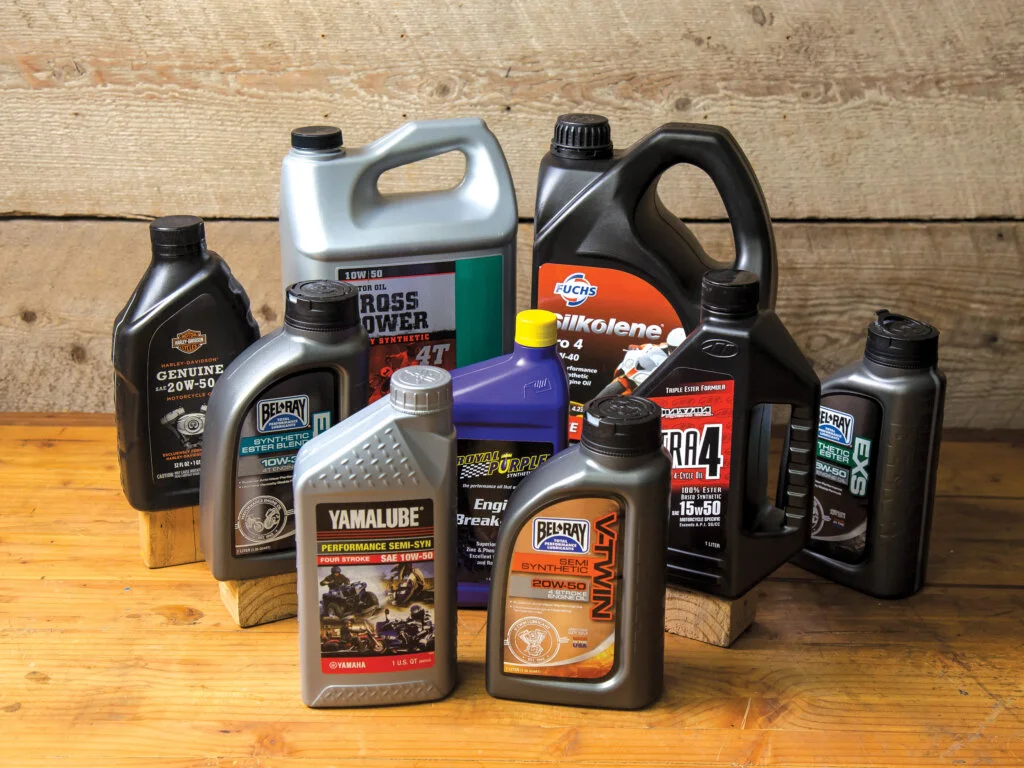
1. Motorcycle Type: Different types of motorcycles have varying demands on their engine oil. Consider your bike’s category, whether it’s a sportbike, cruiser, touring bike, or off-road machine. Each type may have unique requirements. Sportbikes, for example, may benefit from high-performance synthetic oils that offer exceptional protection under high-stress conditions. Cruisers, on the other hand, might be well-suited to conventional oils.
2. Manufacturer Recommendations: Your motorcycle’s manufacturer knows your bike best. Consult your owner’s manual for their recommended oil specifications and viscosity grades. They often provide clear guidelines on the type of oil that is ideal for your specific make and model. Following their recommendations ensures that your engine receives the oil it was designed for.
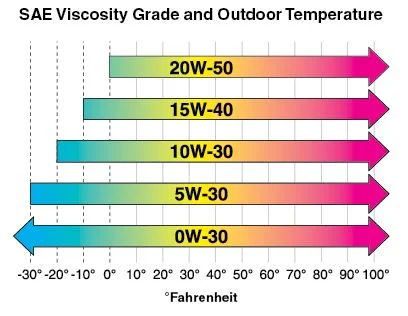
3. Viscosity: The viscosity rating on oil containers, such as 10W-40 or 20W-50, is a critical factor. The “W” stands for winter, and it indicates the oil’s flow characteristics at low temperatures. The first number (e.g., 10W) represents the cold viscosity rating, while the second number (e.g., 40) represents the hot viscosity rating. Choose the viscosity based on your bike’s requirements and the climate in which you ride. For colder temperatures, you might opt for a lower first number (e.g., 5W), while hotter climates might necessitate a higher second number (e.g., 50).
4. Synthetic vs. Conventional: Synthetic oils offer superior performance and protection compared to conventional oils. They are highly refined and engineered to withstand extreme conditions. If you own a high-performance motorcycle or engage in intense riding, synthetic oil might be the best choice. However, it’s essential to follow your manufacturer’s recommendations, as some bikes may require conventional oil.
5. Oil Standards: Look for oils that meet industry standards like JASO (Japanese Automotive Standards Organization) or API (American Petroleum Institute) classifications. These standards ensure that the oil meets specific quality and performance benchmarks. For example, JASO MA and MA2 are standards for motorcycle engine oils, with MA2 indicating improved friction properties suitable for wet-clutch applications.
6. Riding Conditions: Consider the conditions in which you primarily ride. If you frequently ride in stop-and-go traffic or endure heavy traffic congestion, your engine might benefit from an oil formulated with additional additives to handle these conditions. Similarly, if you’re an off-road enthusiast, you might require an oil designed to withstand dust and debris.
7. Budget: While it’s tempting to opt for the most expensive oil, it’s essential to find a balance between your bike’s needs and your budget. Premium synthetic oils can be more expensive, but they also provide superior protection. However, if your bike’s usage is relatively light, a quality conventional oil may suffice and be more budget-friendly.
8. Oil Change Interval: Consider how often you’re willing to perform oil changes. Synthetic oils often have longer change intervals, which can save you time and money in the long run. Conventional oils may require more frequent changes, but they can be cost-effective.
Ultimately, the best oil for your motorcycle will align with your bike’s specifications, your riding style, and the climate in which you operate. By carefully evaluating these factors and consulting your owner’s manual, you can make an informed choice that ensures your engine receives the right oil for optimal performance, longevity, and protection. Remember that selecting the right oil is an investment in your motorcycle’s health and performance, so choose wisely.
Tips for Motorcycle Oil Maintenance and Changes
Proper oil maintenance is essential for the longevity and performance of your motorcycle’s engine. Here are some tips for when you service your motorcycle:
Regular Oil Changes: Follow the manufacturer’s recommended oil change intervals. Typically, this is every 3,000 to 6,000 miles, but it can vary by motorcycle and oil type.
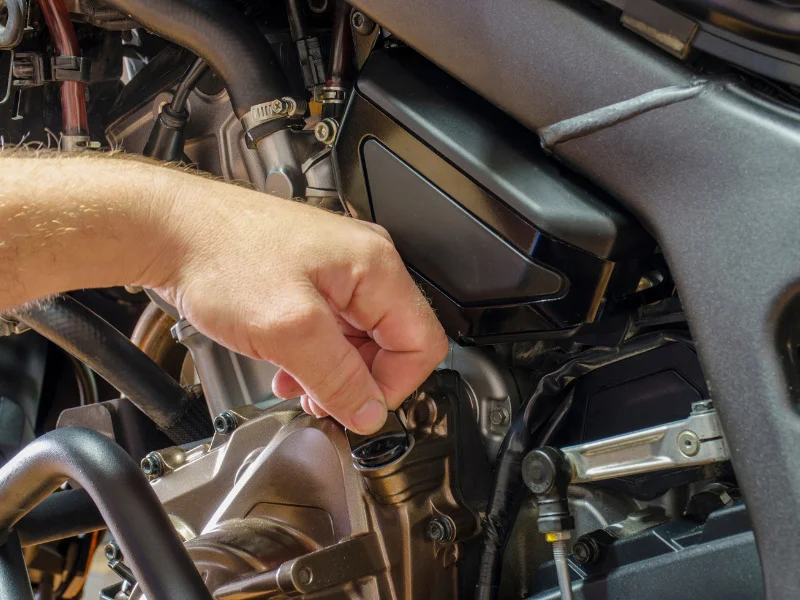
Check Oil Levels: Regularly check your oil levels using the dipstick or sight glass. Maintain oil levels within the recommended range.
Filter Changes: Replace the oil filter at each oil change. A clogged filter can impede oil flow and reduce lubrication.
Oil Type Consistency: Stick to one type of oil (synthetic or conventional) unless your owner’s manual specifies otherwise. Mixing oil types can result in performance issues.
Warm-Up Your Engine: Warm up your motorcycle’s engine before changing the oil. Warm oil flows more freely, ensuring that you remove more old oil during the change.
Dispose of Used Oil Properly: Dispose of used oil in an environmentally friendly manner. Many auto parts stores accept used oil for recycling.
Oil Analysis: For advanced users, consider oil analysis services that can provide insights into engine health based on oil condition.
In conclusion, motorcycle oil is the lifeblood of your ride, and understanding its functions, additives, and how to choose the right one is essential. Proper maintenance, regular oil changes, and adherence to manufacturer recommendations will keep your engine running smoothly and reliably for countless miles of thrilling adventures. So, treat your bike’s engine with the care it deserves, and it will reward you with years of enjoyable riding experiences.
Motorcycles have always been synonymous with speed and adrenaline-pumping thrills. For those who live on the edge and crave the rush of the wind against their faces, the world of superfast bikes is where dreams come true. In this blog post, we’ll take you on a thrilling journey to explore the 10 fastest motorbikes in the world, each a marvel of engineering and a testament to human obsession with speed.
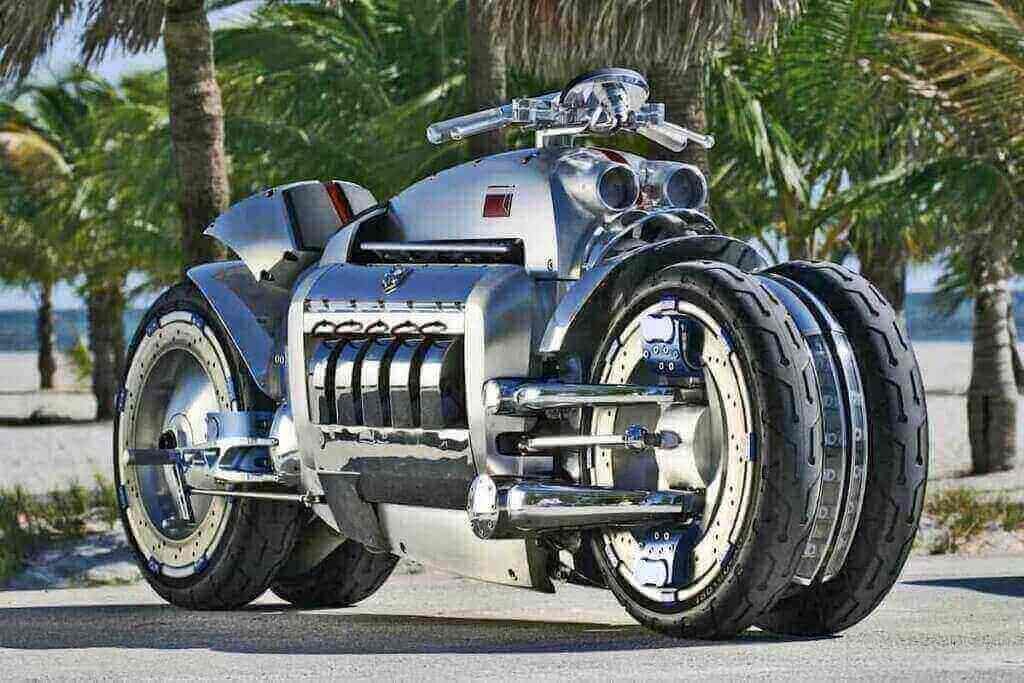
At the top of our list of the Fastest Motorbikes in the World is the Dodge Tomahawk, a jaw-dropping concept motorcycle that shattered speed records with its 350 mph top speed. Powered by a monstrous Viper V10 engine, this four-wheeled motorcycle pushes the boundaries of what’s possible.
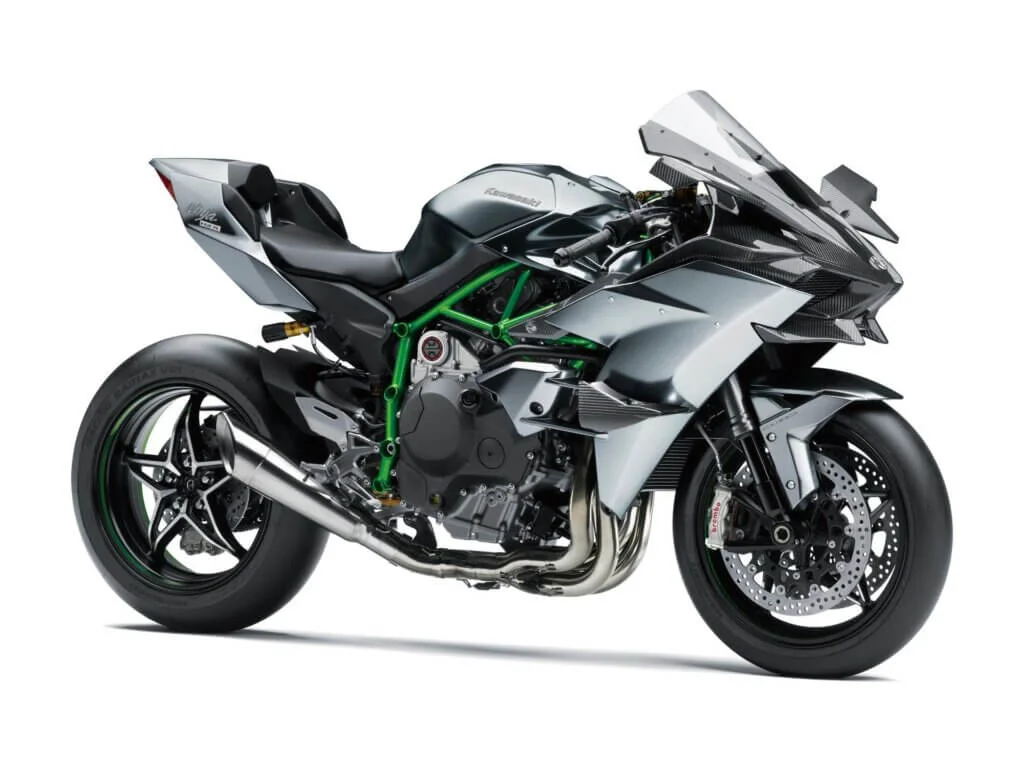
2. Kawasaki Ninja H2R (249 mph)
Top speed : 249 mph
Power : 326 CV
Engine : 998 cc 4 DOHC
Year : 2014
Price : $ 55,000
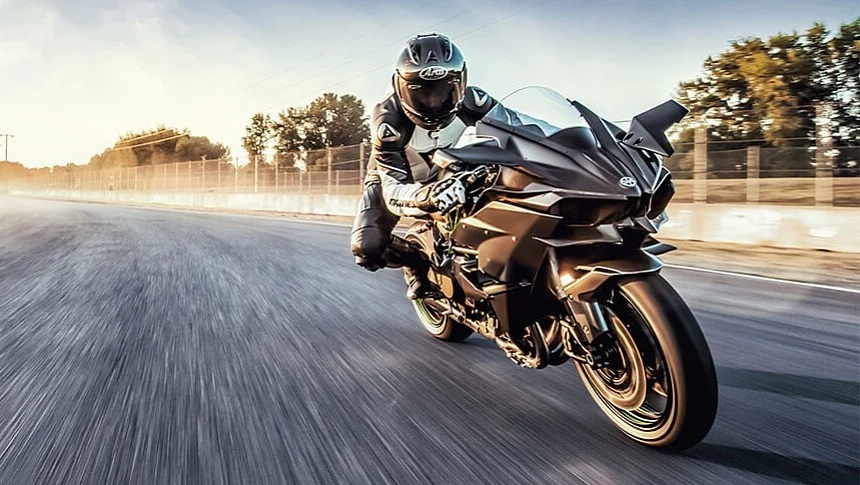
Kawasaki’s Ninja H2R is a force to be reckoned with. Equipped with a supercharged 998cc inline-four engine, it produces an astounding 310 horsepower, propelling riders to speeds of up to 249 mph.
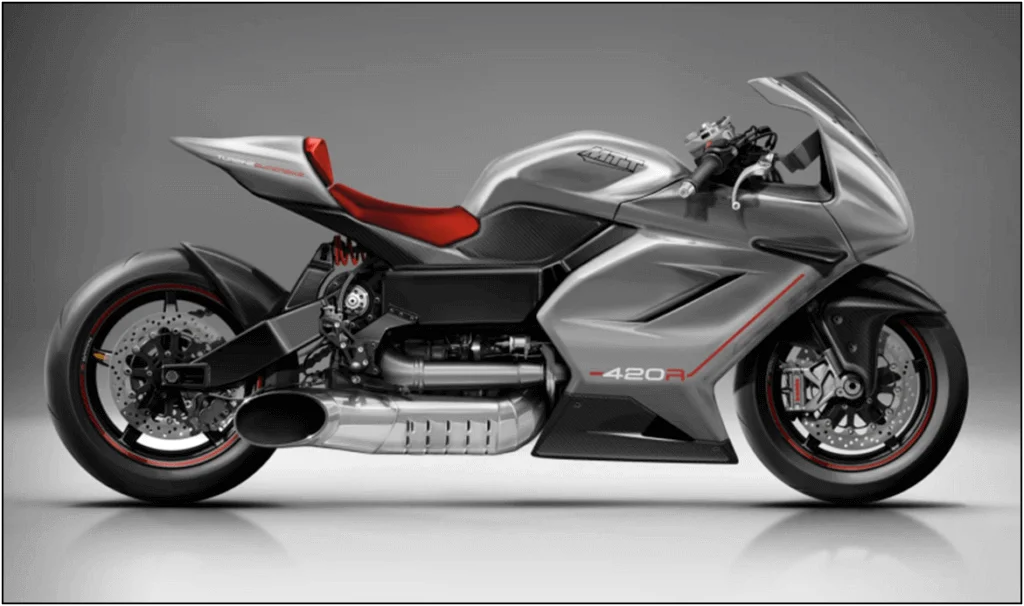
3. MTT Turbine Superbike Y2K (227 mph)
Top speed : 227 mph
Power : 420 CV
Year : 2000
Price : $ 185,000
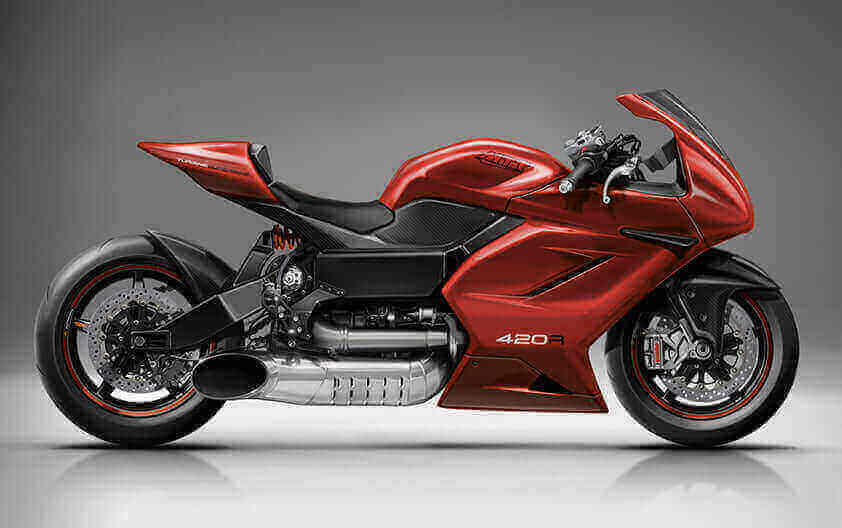
The MTT Turbine Superbike Y2K is a unique beast powered by a Rolls-Royce 250-C20 turbo-shaft engine. It may not be the fastest, but it’s certainly one of the most unconventional and boasts a top speed of 227 mph.
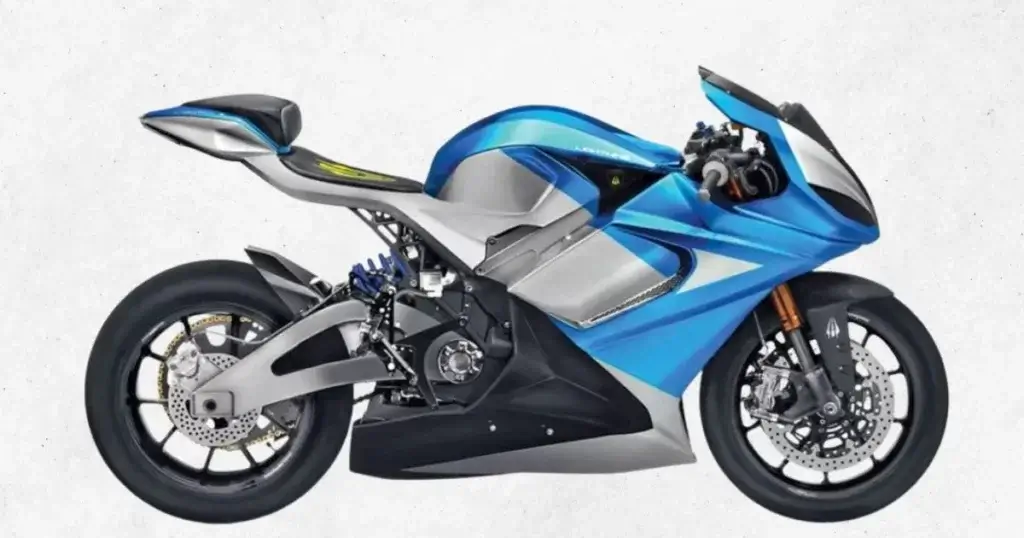
4. Lightning LS-218 (218 mph)
Top speed : 218 mph
Power : 200 CV
Engine :  Liquid-cooled 150 kW electric motor
Year : 2014
Price : $ 39,000
The Lightning LS-218 is an electric superbike that proves electric doesn’t mean slow. With a top speed of 218 mph and 200 horsepower, it’s the fastest electric motorcycle on the planet, and the 4th Fastest Motorbikes in the World, demonstrating the future of high-performance bikes.
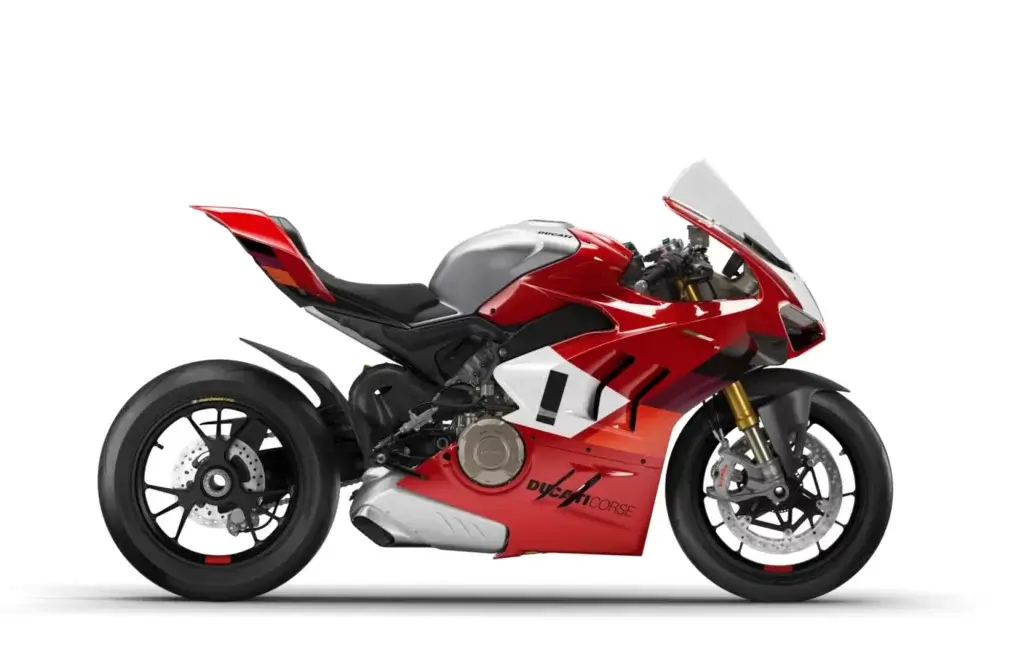
5. Ducati Panigale V4R (202 mph)
Top speed : 202 mph
Power : 202 CV
Engine : 1.199 cc
Year : 2012
Price : $ 40,000
Ducati’s Panigale V4R is the epitome of Italian performance. Powered by a 998cc V4 engine producing 234 horsepower, it shares the 186 mph top speed with other contenders on this list. However, it’s the handling and agility that truly set it apart.
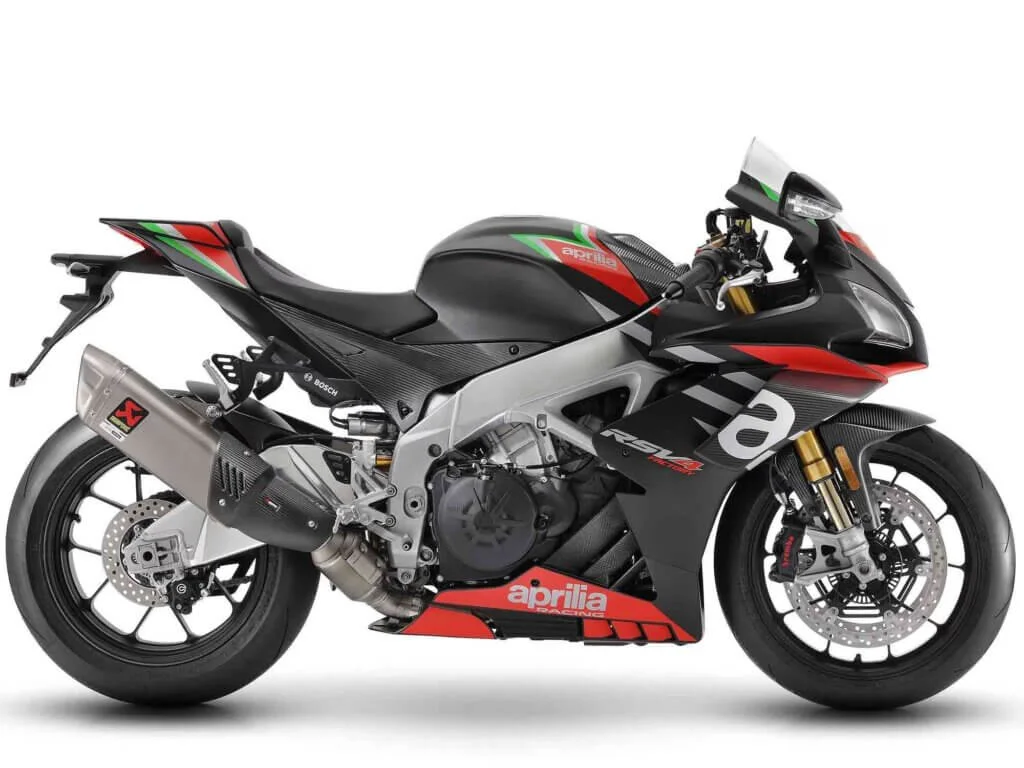
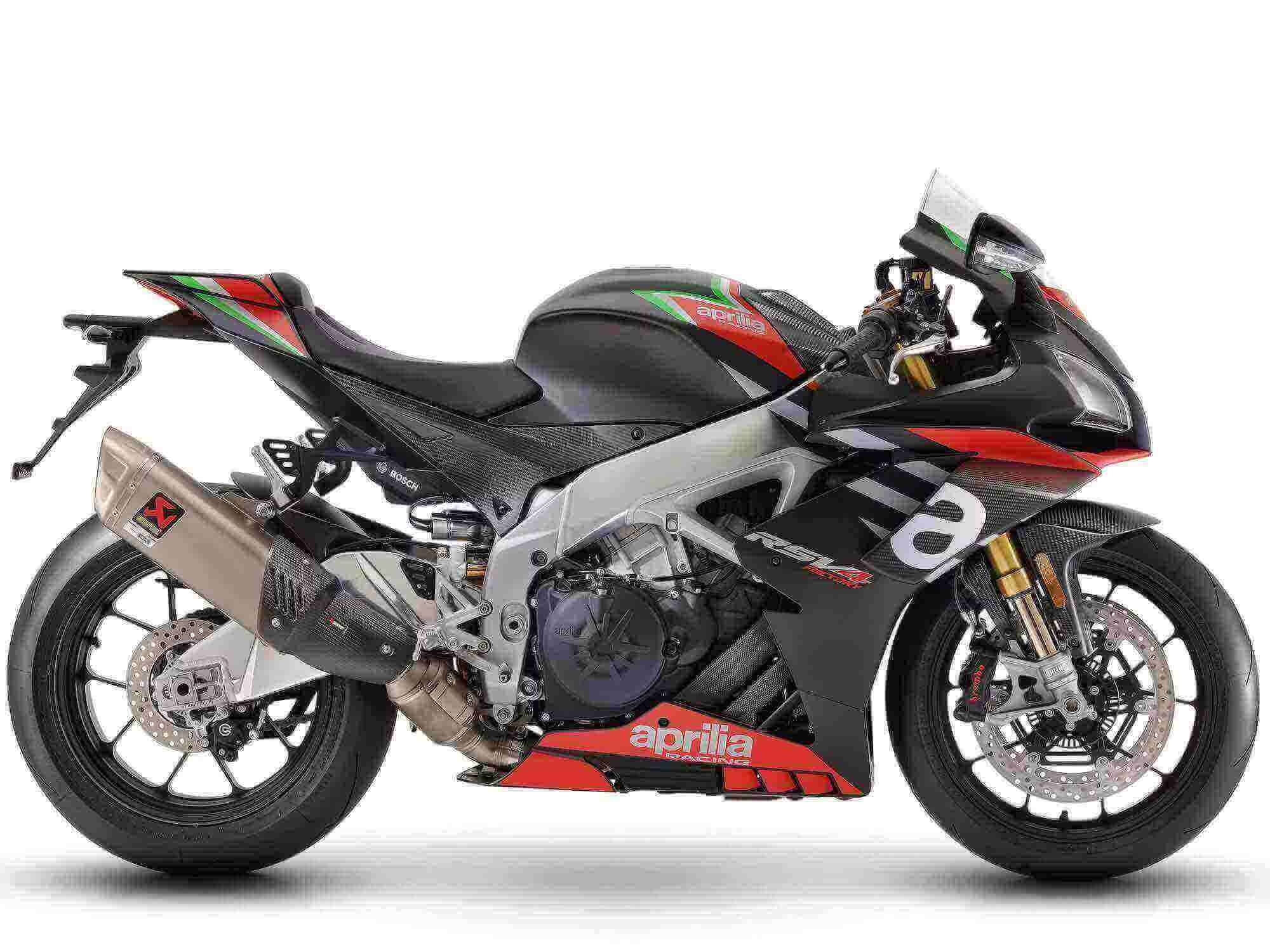
6. Aprilia RSV4 1100 Factory (196 mph)
Top speed : 196 mph
Power : 217 CV
Engine : 1.100 cc
Year : 2009
Price : $ 31,800
The Aprilia RSV4 1100 Factory is the Italian brand’s flagship sportbike. Its 1,078cc V4 engine produces 217 horsepower, and it can reach speeds of up to 186 mph. Known for its superb handling and exquisite design, it’s a true racer’s choice.
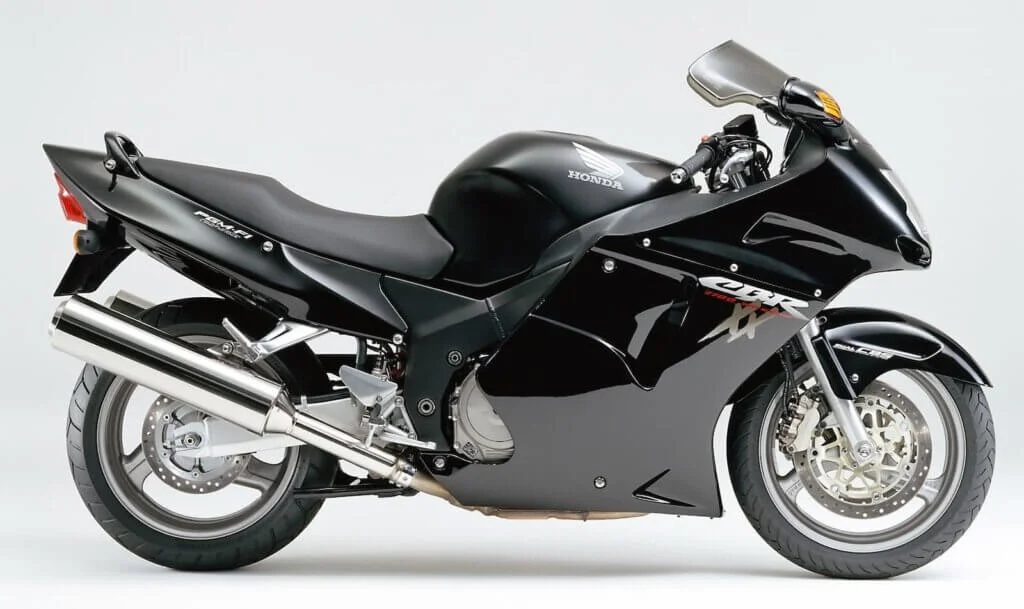
7. Honda CBR1100XX Super Blackbird (194 mph)
Top speed : 194 mph
Power : 153 CV
Engine : 1.137 cc
Year : 1996 – now
Price : $ 11,500
Honda’s CBR1100XX Super Blackbird was once the fastest production motorcycle in the world. Its 1,137cc engine delivers 153 horsepower, allowing it to hit speeds of up to 190 mph. Despite its age, it remains a formidable machine.
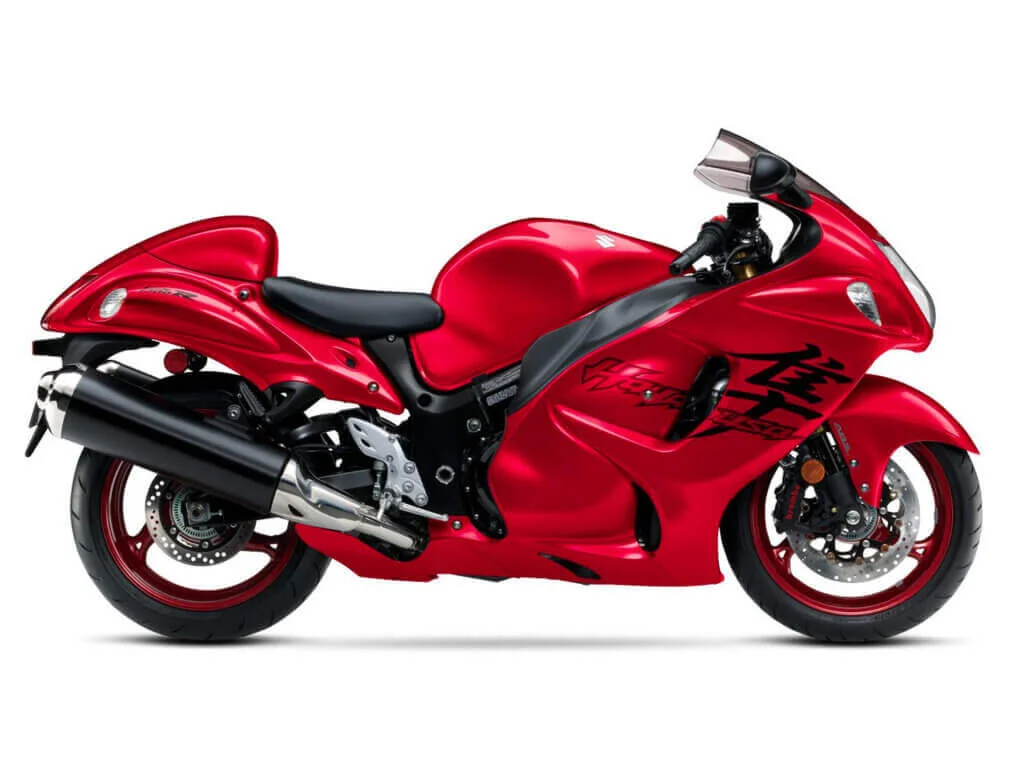
8. Suzuki Hayabusa (192 mph)
Top speed : 192 mph
Power : 175 CV
Engine : 1.298 cc
Year : 1999
Price : $ 13,500
The Suzuki Hayabusa has long been an icon in the world of super sportbikes. Its 1,340cc engine delivers 197 horsepower, allowing riders to touch speeds of up to 186 mph. Known for its sleek design and reliability, the Hayabusa is a legend.
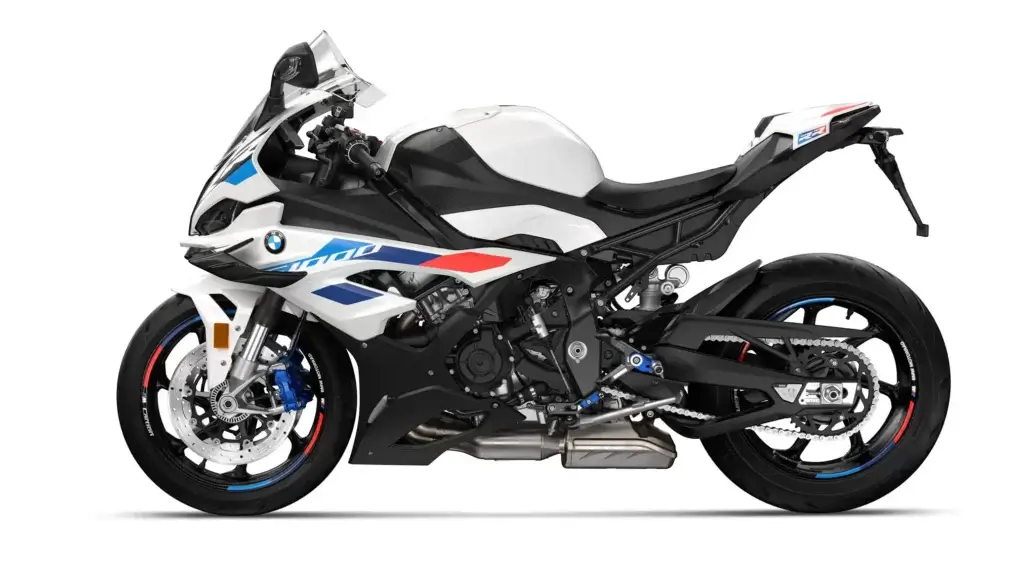
9. BMW S1000RR (188 mph)
Top speed : 188 mph
Power : 199 CV
Engine : 999 cc
Year : 2009 – now
Price : $ 20,000
The BMW S1000RR combines German engineering precision with speed. With 205 horsepower from its 999cc inline-four engine, it can reach speeds of up to 186 mph. Agile and dynamic, it’s a favorite on the track and one of the Fastest Motorbikes in the World.
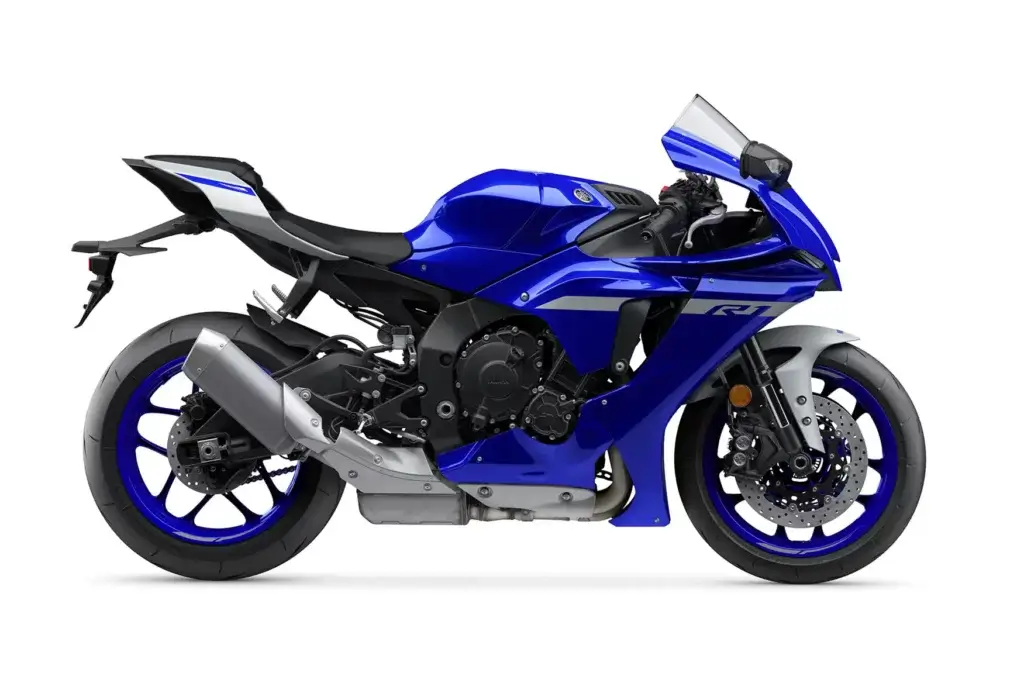
10. Yamaha YZF-R1 (182 mph)
Top speed : 182 mph
Power : 200 CV
Engine : 998 cc
Year: 2015
Price : $ 17,600
The Yamaha YZF-R1 is a legend on the racetrack. With a 998cc inline-four engine producing 197 horsepower, it can reach speeds of up to 186 mph. It’s known for its cutting-edge technology and exceptional handling.
Conclusion
These 10 supercharged machines represent the pinnacle of motorcycle engineering, pushing the limits of speed and performance. Whether you’re a speed demon seeking the ultimate rush or an admirer of cutting-edge technology and design, these bikes offer something truly special. While they may not be for the faint of heart or light of wallet, they remind us of the boundless passion and innovation that continue to drive the world of motorcycling forward. So, buckle up (or helmet on) and get ready to experience the need for speed like never before, with the Fastest Motorbikes in the World!
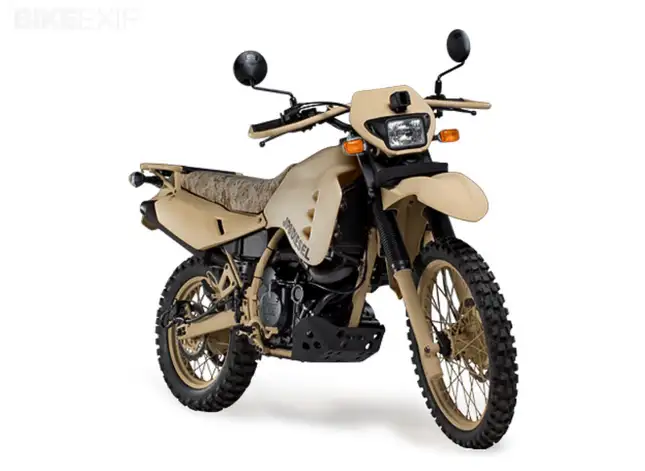
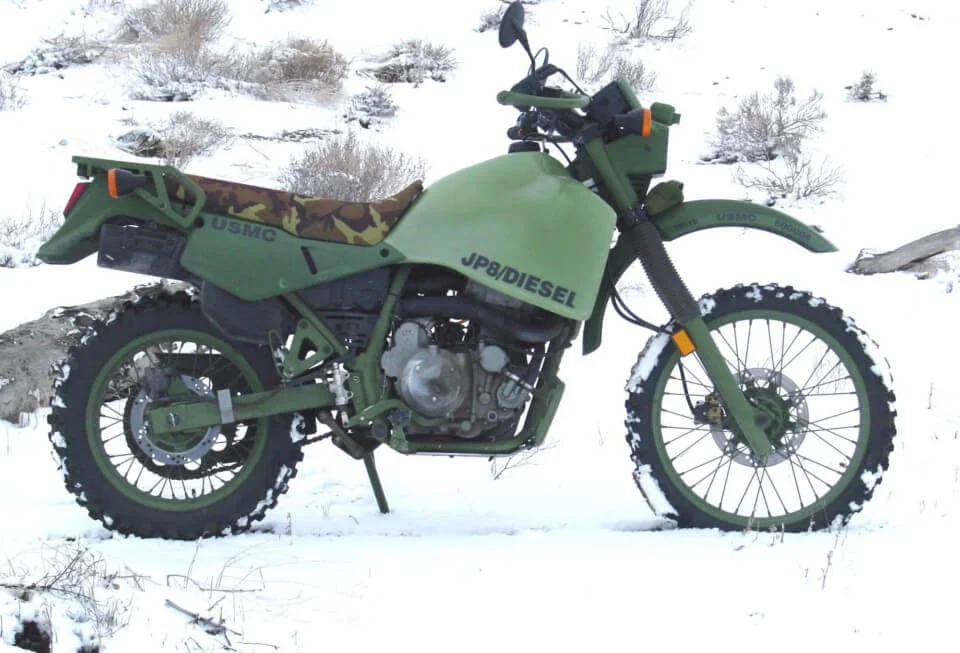
Diesel motorcycles, often overshadowed by their gasoline-powered counterparts, occupy a unique and compelling niche within the world of two-wheel transportation. These machines, which harness the robust capabilities of diesel engines, offer riders an alternative that combines power, efficiency, and a distinct character. In this essay, we will delve into the realm of diesel motorcycles, exploring their history, technology, advantages, and the role they play in the evolving landscape of motorcycling.
A Historical Perspective
Diesel-powered motorcycles may seem like a relatively recent innovation, but their roots extend back to the early 20th century. In the early days of motorcycling, experimentation with various engine types was common. Diesel engines, known for their durability and efficiency, were not exempt from these experiments. Early diesel motorcycles appeared in the 1930s, built by pioneering engineers and manufacturers. These bikes, however, were often heavy and lacking in refinement, limiting their widespread adoption.
The Evolution of Diesel Motorcycles
Over the years, diesel motorcycles have undergone significant evolution and refinement. Advances in engineering, materials, and technology have transformed these machines from rugged experiments into viable and functional motorcycles.
Performance Improvements: Early diesel motorcycles were frequently criticized for their limited performance and acceleration. Modern diesel engines, on the other hand, have achieved substantial improvements in power output, torque delivery, and overall rideability. These advancements have made diesel motorcycles competitive in terms of performance.
Efficiency and Fuel Economy: One of the hallmarks of diesel motorcycles is their exceptional fuel efficiency. Diesel engines inherently provide a higher thermal efficiency compared to gasoline engines, resulting in reduced fuel consumption. This efficiency translates into extended riding ranges, making diesel motorcycles practical for long-distance touring.
Emission Control: Diesel engines have faced scrutiny due to their emissions. To address environmental concerns, modern diesel motorcycles are equipped with emission control technologies, such as diesel particulate filters (DPF) and selective catalytic reduction (SCR) systems. These measures help reduce harmful emissions while maintaining engine efficiency.
Noise Reduction: Early diesel motorcycles were often associated with loud and clattering operation. Improved sound insulation and smoother engine designs have made modern diesel motorcycles quieter and more rider-friendly.
The Advantages of Diesel Motorcycles
Diesel motorcycles offer several distinct advantages that set them apart from their gasoline-powered counterparts:
Torque: Diesel engines are renowned for their substantial low-end torque. This torque delivery provides excellent acceleration and ensures a responsive riding experience, particularly at low RPMs. Diesel motorcycles excel in tasks like overtaking and hill climbing.
Fuel Efficiency: As mentioned earlier, fuel efficiency is a standout feature of diesel motorcycles. Their ability to extract more energy from each gallon of fuel results in longer riding ranges and fewer stops at the fuel station.
Durability: Diesel engines are known for their durability and longevity. They are designed to withstand high levels of stress and often have longer service intervals, reducing maintenance costs for riders.
Availability of Fuel: Diesel fuel is widely available in many parts of the world, making it a practical choice for riders who venture into remote or less-traveled areas.
The Future of Diesel Motorcycles
Looking ahead, the future of diesel motorcycles holds exciting possibilities. Research and development efforts are likely to focus on further optimizing engine performance, reducing emissions, and enhancing rider comfort and convenience. Advancements in materials and manufacturing techniques may also lead to lighter and more agile diesel motorcycles.
In addition to improving traditional diesel motorcycles, the industry may witness the emergence of hybrid models that combine diesel engines with electric powertrains. These hybrid diesel-electric motorcycles could offer the benefits of both worlds—diesel’s torque and efficiency and electric’s environmental friendliness and versatility.
Conclusion
Diesel motorcycles, though often overlooked in favor of their gasoline counterparts, offer a unique blend of power, efficiency, and durability. Their rich history, technological advancements, and distinct advantages make them a compelling choice for riders who value torquey performance, extended riding ranges, and fuel efficiency. As the motorcycle industry continues to evolve and embrace new technologies, diesel motorcycles stand as a testament to innovation and adaptability, reminding us that the world of two-wheel transportation is vast and diverse, with room for a wide range of engines and riding experiences.
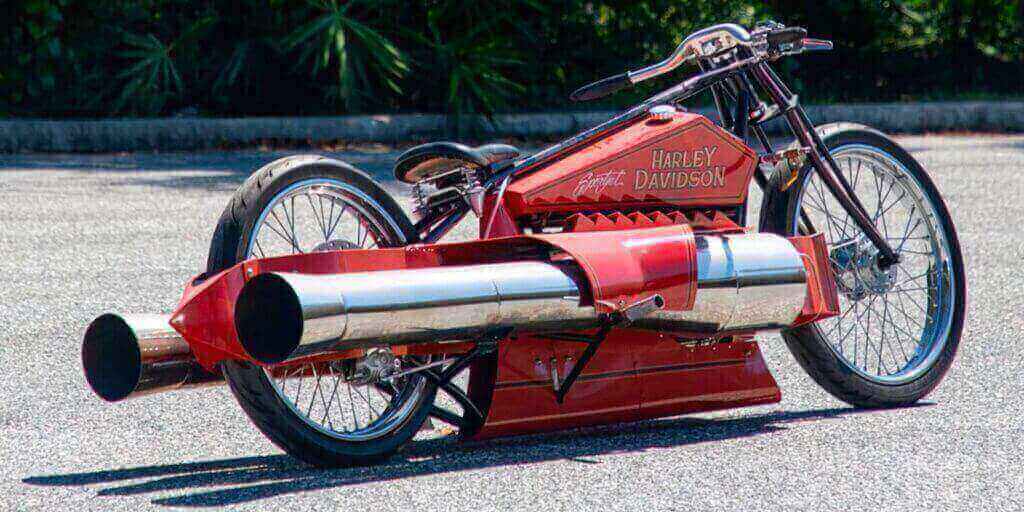
In the exhilarating world of motorcycles, where speed and innovation reign supreme, one unique category of two-wheelers has continually pushed the boundaries of what’s possible. These are jet-powered motorcycles, machines that combine the raw power of jet engines with the agility of motorcycles to create an experience unlike any other. In this exploration, we’ll delve into the history, technology, and excitement surrounding jet-powered motorcycles, revealing the thrilling world that these exceptional machines inhabit.
History of Jet-Powered Motorcycles
The story of jet-powered motorcycles begins with daring pioneers who sought to harness the explosive power of jet engines for land speed records and high-speed thrills. Early experiments in the mid-20th century saw jet engines fitted onto motorcycles, creating colossal power-to-weight ratios. These pioneers set the stage for a new era of motorcycle engineering, pushing the limits of what motorcycles could achieve in terms of speed.
Evolution of Jet-Powered Motorcycles
Over the years, jet-powered motorcycles have evolved significantly. These machines have become more than just high-speed experiments; they are fully functional motorcycles designed for adrenaline junkies and speed enthusiasts. Advancements in engineering and technology have made them more reliable, safer, and capable of reaching incredible speeds.
Key advancements include improvements in aerodynamics, fuel efficiency, and control systems. Today, you can find jet-powered motorcycles with sleek, aerodynamic designs that help them achieve maximum speed while maintaining stability. Modern control systems allow riders to manage the immense power of jet engines more effectively, ensuring a thrilling yet safe experience.
How Jet-Powered Motorcycles Work
At the core of these machines is the jet engine, which operates on the principles of jet propulsion. Unlike traditional internal combustion engines that rely on pistons and cylinders, jet engines generate thrust by expelling a high-speed jet of air and exhaust gases in the opposite direction. In jet-powered motorcycles, a jet engine propels the bike forward by expelling a powerful jet of air backward.
Jet engines work by taking in air, compressing it, mixing it with fuel, and igniting it in a combustion chamber. The resulting high-speed exhaust gases exit the engine at tremendous velocity, creating forward thrust. This thrust is harnessed to drive the motorcycle’s wheels, propelling it forward at astonishing speeds.
Famous Jet-Powered Motorcycles
Several iconic jet-powered motorcycles have made their mark in history. Among them, the “Ack Attack” holds the world record for the fastest motorcycle powered by a jet engine, reaching a staggering 376.363 mph. Another renowned machine is the “Jet Reaction,” which achieved fame in the 1980s as the first motorcycle to break the sound barrier.
These remarkable motorcycles have not only set records but also captured the imagination of motorcycle enthusiasts and speed fanatics worldwide. Their daring riders have become legends in their own right, pushing the limits of what is possible on two wheels.
The Thrill of Riding a Jet-Powered Motorcycle
Riding a jet-powered motorcycle is an experience like no other. The sheer power and acceleration provided by the jet engine deliver an adrenaline rush that is hard to match. The roar of the engine, the G-forces, and the feeling of breaking through the sound barrier create a sensory overload that few riders will ever forget.
However, it’s not just about speed. Jet-powered motorcycles demand a unique set of skills from their riders. Handling the immense power and maintaining control at high speeds require precision and expert-level riding abilities. It’s a thrilling challenge that only a select few dare to undertake.
Safety and Regulation
Safety is a paramount concern in the world of jet-powered motorcycles. These machines are capable of extraordinary speeds, and the risks associated with riding them are significant. As a result, strict safety measures and regulations are in place for both riders and events involving jet-powered motorcycles.
Riders must undergo specialized training to handle these machines and ensure their own safety. Events where jet-powered motorcycles are showcased typically have stringent safety protocols to protect both participants and spectators.
Jet-Powered Motorcycles in Popular Culture
The allure of jet-powered motorcycles has not been limited to the racetrack. These machines have made their mark in popular culture, appearing in movies, TV shows, and literature. One of the most famous cinematic jet motorcycles is the Batcycle from the Batman franchise, which has thrilled audiences with its high-speed pursuits.
Their appearances in popular culture have contributed to the mystique and fascination surrounding jet-powered motorcycles, making them legendary symbols of speed and adventure.
Future of Jet-Powered Motorcycles
Looking ahead, the future of jet-powered motorcycles holds exciting possibilities. Advances in materials, aerodynamics, and propulsion technology are likely to lead to even faster and more capable machines. Furthermore, electric and hybrid jet-powered motorcycles may emerge, combining the power of jet engines with the sustainability of electric propulsion.
While jet-powered motorcycles will always remain a niche within the broader motorcycle industry, they exemplify the spirit of innovation and the pursuit of extreme speed. For those who dare to ride them, jet-powered motorcycles offer a thrilling and unforgettable experience that defies the limits of traditional motorcycling.
In conclusion, the world of jet-powered motorcycles is a captivating blend of engineering prowess, speed, and sheer audacity. These machines have a rich history, continue to evolve, and promise an exciting future for those who live for the thrill of the ride. Whether it’s the deafening roar of the engine or the exhilaration of breaking speed records, jet-powered motorcycles stand as a testament to human ingenuity and the relentless pursuit of speed on two wheels.
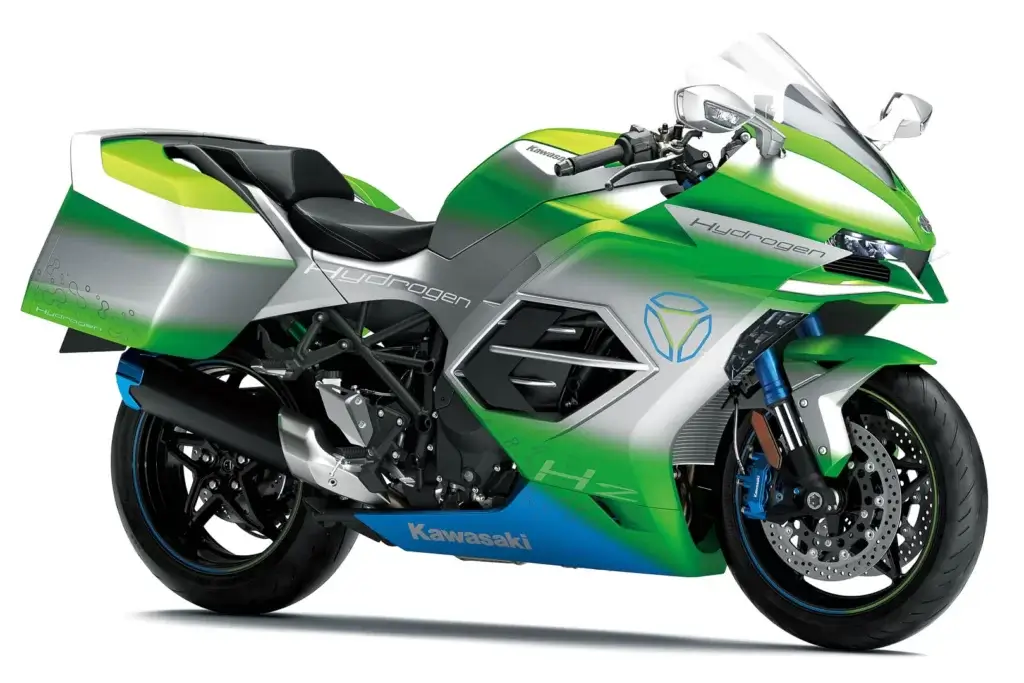
In a world where environmental concerns and the pursuit of sustainable energy solutions are at the forefront of innovation, hydrogen-powered motorcycles are emerging as a potential game-changer in the realm of two-wheel transportation. These pioneering machines rely on hydrogen as a clean and efficient fuel source, offering a glimpse into a future where motorcycles seamlessly blend eco-friendliness with high-performance capabilities. In this comprehensive exploration, we will delve into the inner workings of hydrogen-powered motorcycles, chart the remarkable advancements they have seen over the years, and illuminate the promising landscape of the next generations of these revolutionary engines.
The Core Technology: How Hydrogen-Powered Motorcycles Work
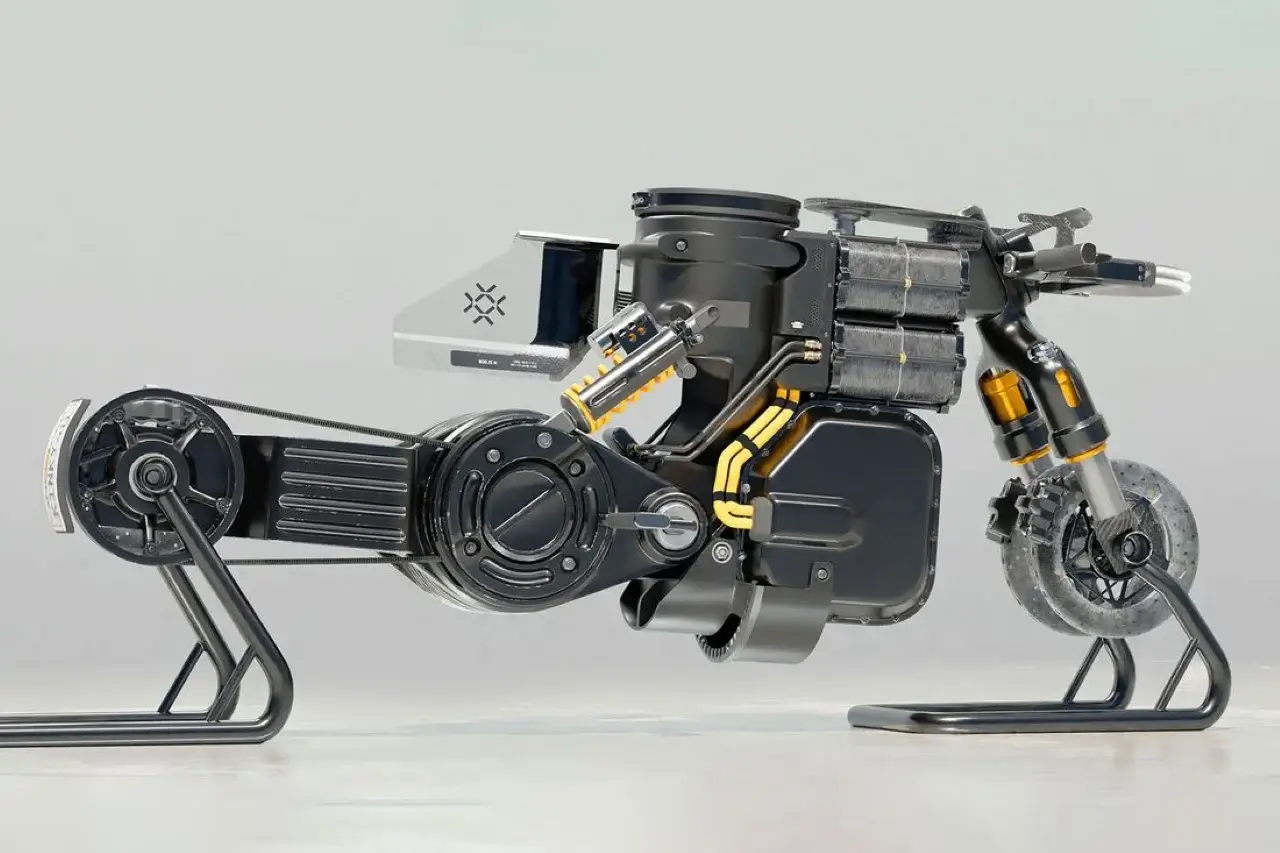
At the heart of every hydrogen-powered motorcycle lies a hydrogen fuel cell, a sophisticated piece of technology that transforms hydrogen gas into electricity to drive an electric motor. This intricate process unfolds in a series of well-orchestrated steps:
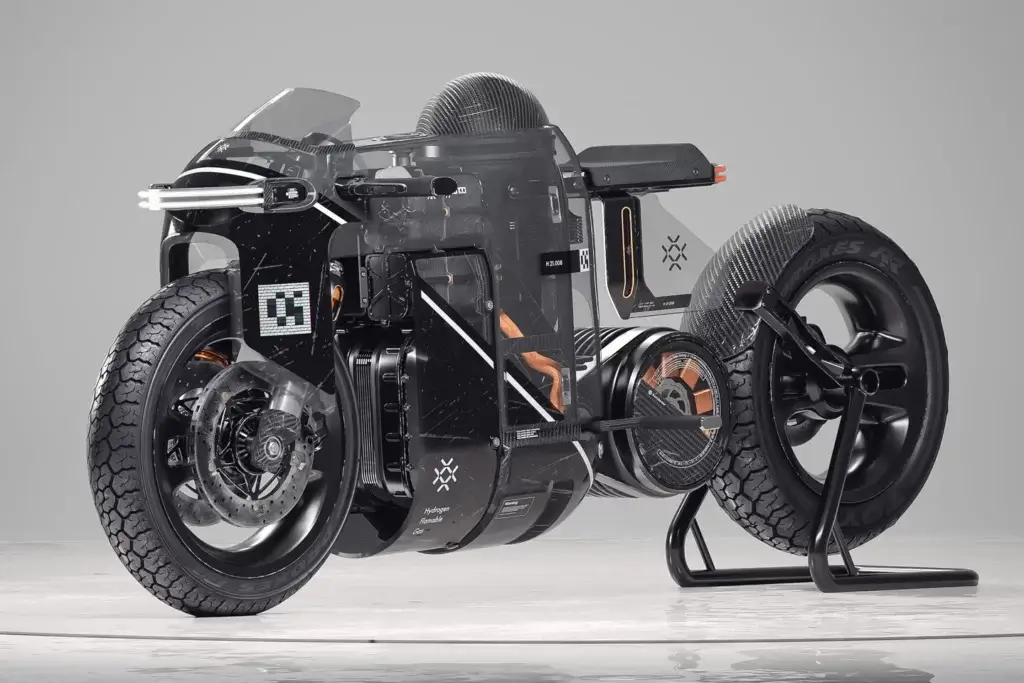
Hydrogen Storage: These motorcycles store hydrogen in specially designed onboard tanks, often in gaseous or cryogenic liquid form. These storage methods are engineered to maximize the amount of hydrogen carried on the motorcycle while ensuring utmost safety.
Hydrogen Supply: Hydrogen is supplied to the fuel cell, where it enters into a chemical dance with oxygen sourced from the ambient air. This dynamic reaction takes place within the fuel cell’s membrane-electrode assembly, setting the stage for power generation.
Electrochemical Reaction: Inside the fuel cell, hydrogen molecules undergo a transformative process. They split into protons and electrons at the anode. While protons embark on a journey through the electrolyte membrane to reach the cathode, electrons are forced to traverse an external circuit, thus creating a robust electric current.
Electric Motor Drive: The electric current generated by the fuel cell is harnessed to power an electric motor, propelling the motorcycle forward with remarkable efficiency. It is essential to note that this entire process produces zero harmful emissions—only water vapor emerges as a benign byproduct.
Energy Regeneration: Some advanced hydrogen motorcycles feature regenerative braking systems. These systems capture kinetic energy during deceleration, converting it back into electricity. This reclaimed energy can either recharge the motorcycle’s battery or enhance overall efficiency, further bolstering the bike’s eco-credentials.
The Journey of Advancements
Hydrogen-powered motorcycles have journeyed a significant distance since their inception, marked by transformative advancements that have propelled this technology forward:
Fuel Cell Efficiency: Early hydrogen fuel cells demonstrated lower efficiency levels, but modern iterations have undergone significant improvements. These enhanced fuel cells translate into extended riding ranges and heightened overall performance.
Hydrogen Storage Innovations: Innovations in hydrogen storage have enabled motorcycles to carry larger quantities of hydrogen. This has resulted in a more extensive range between refueling stops, rendering these bikes increasingly practical for everyday use.
Performance Enhancements: Advances in electric motor technology have ushered in remarkable performance enhancements for hydrogen motorcycles. These advancements have catapulted them into direct competition with traditional combustion-engine motorcycles concerning acceleration and top-speed capabilities.
Refueling Infrastructure Expansion: The development of hydrogen refueling infrastructure is an ongoing endeavor. The emergence of additional refueling stations worldwide is making hydrogen motorcycles more practical and accessible for riders, dispelling concerns about limited availability.
Cost Reduction: As with any emerging technology, the cost of hydrogen motorcycles is gradually decreasing. This cost reduction is making these innovative vehicles more attainable for a broader spectrum of consumers, paving the way for greater adoption.
The Promising Horizons of Hydrogen-Powered Motorcycles
As we look toward the horizon, several exciting developments await the next generations of hydrogen-powered motorcycle engines:
Increased Riding Range: Future iterations of hydrogen motorcycles are expected to feature enhanced hydrogen storage technologies. This will empower riders with even longer ranges between refueling stops, making them more suitable for extended journeys.
Quick Refueling Times: Hydrogen refueling times are poised to decrease, approaching the convenience of filling up a gasoline-powered motorcycle. This reduction in refueling duration will further enhance the appeal of hydrogen motorcycles.
Wider Availability: The proliferation of hydrogen refueling infrastructure will continue, ensuring that riders have access to refueling stations in a more extensive range of locations. This expanding network will eliminate one of the primary limitations currently associated with hydrogen-powered vehicles.
Fuel Cell Refinements: Ongoing research and development efforts will continue to boost the efficiency and durability of hydrogen fuel cells. This translates into increased overall performance and longer lifespans for hydrogen motorcycles.
Eco-Friendly Materials: Future iterations of hydrogen motorcycles may incorporate eco-friendly materials in their construction. These materials will contribute to reducing the environmental footprint of these vehicles, aligning them even more closely with sustainability goals.
Expanded Model Variety: As the technology matures, riders can anticipate a broader variety of hydrogen-powered motorcycle models. These models will cater to different riding preferences and styles, offering greater diversity in the market.
Sustainable Hydrogen Production: The production of hydrogen itself is also evolving. An increasing focus on renewable methods, such as electrolysis powered by excess renewable energy, is poised to make the production of hydrogen more sustainable.
Navigating the Road Ahead
While hydrogen-powered motorcycles are still in their early stages of development and adoption, they hold immense promise as a clean, efficient, and innovative alternative to traditional gasoline-powered bikes. As technology continues to advance, the road ahead for hydrogen motorcycles appears increasingly bright. With improved efficiency, extended range, a growing refueling infrastructure, and reduced environmental impact, these eco-friendly two-wheelers are poised to reshape the future of motorcycle riding. They offer not only exhilarating performance but also a cleaner and more sustainable planet to explore. As riders, enthusiasts, and environmental advocates eagerly await the next generation of hydrogen-powered motorcycles, one thing is certain: the journey ahead is paved with thrilling possibilities, all fueled by the limitless potential of hydrogen.
Motorcycle brakes are a critical component of rider safety and performance. Over the years, these braking systems have undergone significant advancements, enhancing both stopping power and rider confidence. In this post, we’ll explore how motorcycle brakes work, the improvements that have occurred, and what we can expect from the next generations of braking technology.
How Motorcycle Brakes Work
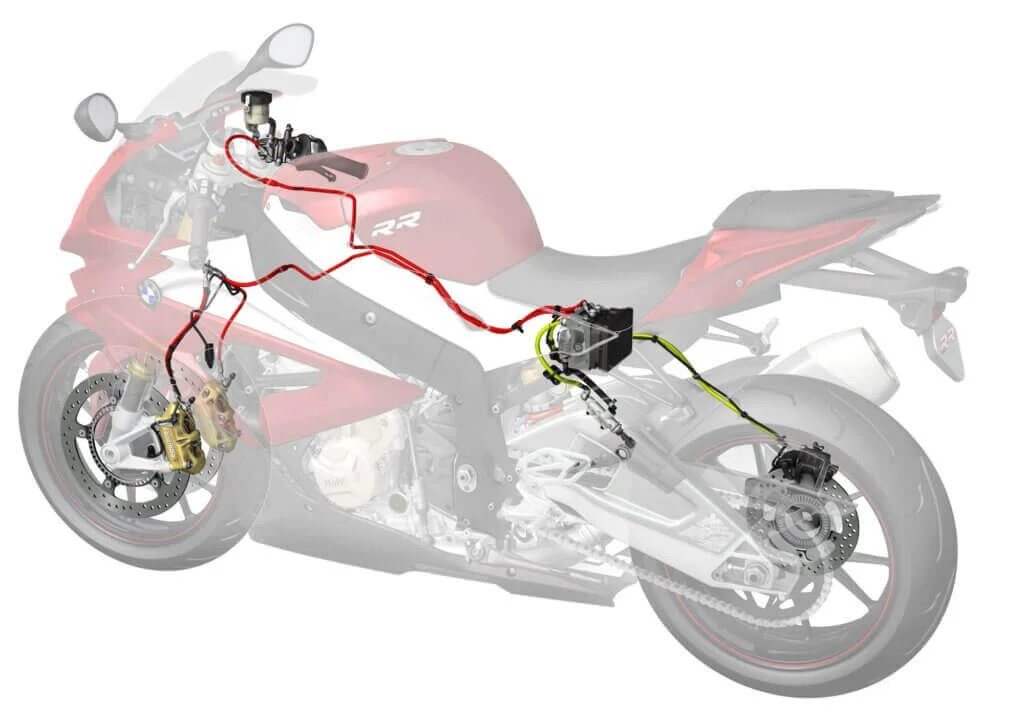
Motorcycle braking systems have two primary components: the brake lever (or pedal) and the braking mechanism. These systems typically utilize hydraulic force to transfer power from the rider’s input to the braking action at the wheel.
1. Brake Lever or Pedal
When the rider squeezes the brake lever (on the handlebar) or presses the brake pedal (on the footrest), they apply force to a master cylinder.
2. Master Cylinder
The master cylinder converts the rider’s mechanical force into hydraulic pressure. Inside the master cylinder, a piston is pushed by the lever or pedal, forcing hydraulic fluid (brake fluid) through a series of hydraulic lines.
3. Hydraulic Lines
The brake fluid travels through hydraulic lines, maintaining its pressure and delivering it to the brake calipers.
4. Brake Calipers
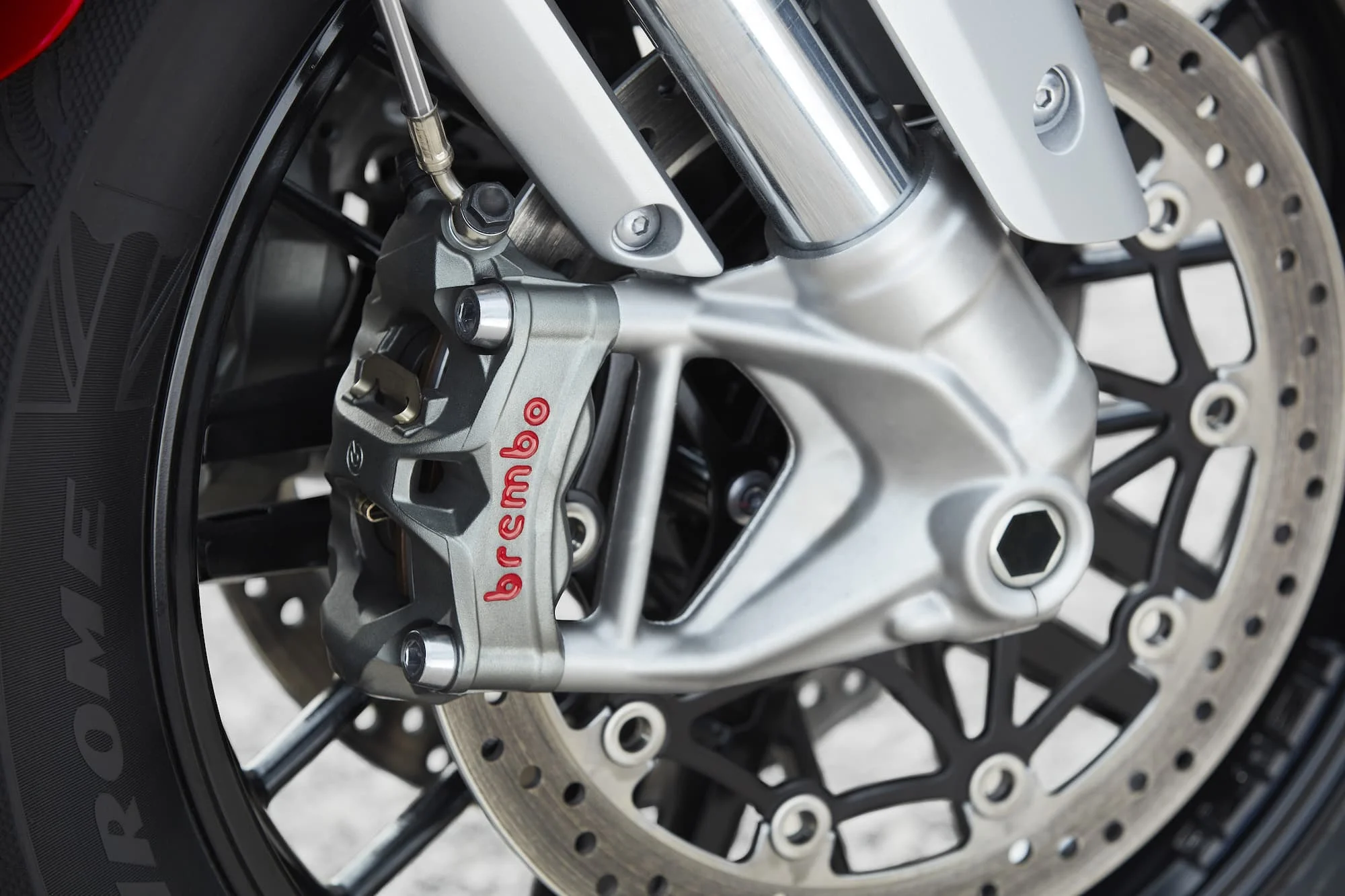
Brake calipers contain one or more pistons that are actuated by the hydraulic pressure from the brake fluid. These pistons push brake pads against the brake rotor (disc) or brake drum, creating friction and slowing down the wheel.
5. Friction and Heat
The contact between the brake pads and the rotor or drum generates friction, which converts kinetic energy into heat energy, ultimately slowing down the motorcycle.
Improvements Over the Years
1. Disc Brakes vs. Drum Brakes
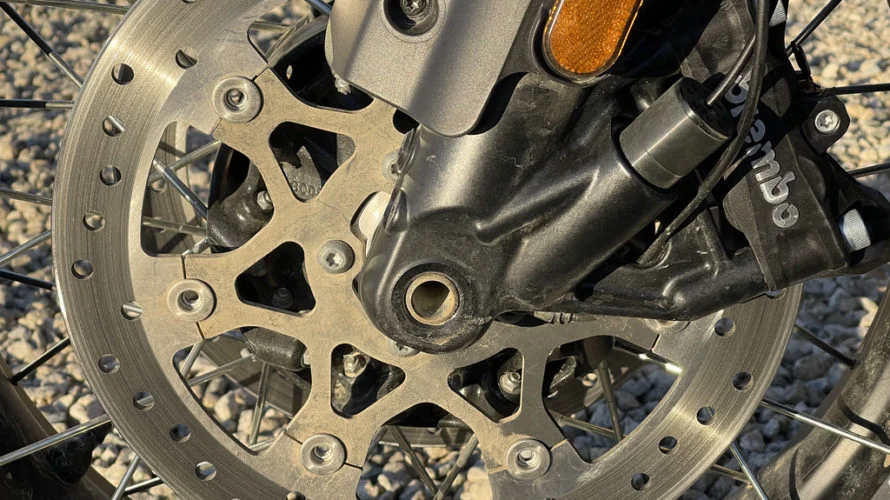
Disc brakes offer superior stopping power and heat dissipation compared to drum brakes. Most modern motorcycles are equipped with disc brakes on both the front and rear wheels.
2. Dual Disc Brakes
Many high-performance motorcycles feature dual disc brakes on the front wheel, providing exceptional stopping power and improved control during emergency stops.
3. ABS (Anti-Lock Braking System)
ABS has become a standard feature on many motorcycles. It prevents wheel lock-up during hard braking, reducing the risk of skidding and loss of control. ABS has significantly improved safety, especially in adverse road conditions.
4. Linked Braking Systems
Some motorcycles incorporate linked braking systems, where applying the front brake lever also activates a portion of the rear brake. This system enhances stability during braking.
5. Radial Master Cylinders
Radial master cylinders offer better leverage and control, allowing riders to modulate braking force more precisely.
Future of Motorcycle Brakes
As motorcycle technology continues to advance, we can expect further innovations in braking systems:
1. Enhanced ABS
The future of ABS systems will prioritize further enhancements in adaptability and performance. Manufacturers are likely to invest in research and development to make ABS systems even more intelligent and responsive to various riding conditions.
Adaptive ABS: Future ABS systems will become increasingly adaptive, considering factors like lean angle, road surface conditions, and tire grip. This will allow ABS to fine-tune braking force for optimal performance in a wide range of scenarios, from dry asphalt to wet or slippery surfaces.
Customizable Profiles: Riders may have the ability to customize ABS profiles to suit their riding style. For instance, they could select sporty profiles for aggressive riding or touring profiles for long-distance cruising, tailoring the braking behavior to their preferences.
2. Brake-by-Wire Technology
Brake-by-wire technology will see significant advancements in the coming years. This technology replaces traditional mechanical connections with electronic controls, providing precise and customizable braking experiences.
Customizable Brake Feel: Riders will have the ability to adjust their brake feel electronically. This feature will allow riders to fine-tune the sensitivity of the brakes to match their preferences, whether they prefer a soft initial bite or a more immediate response.
Regenerative Braking: For electric motorcycles, brake-by-wire systems will incorporate regenerative braking. This technology will capture kinetic energy during deceleration and convert it into electrical energy, increasing the motorcycle’s overall efficiency and range.
3. Advanced Materials
The use of advanced materials in motorcycle brake components will continue to evolve, offering several benefits:
Carbon-Ceramic Rotors: Carbon-ceramic rotors will become more common due to their lightweight properties and resistance to heat-induced brake fade. These rotors will significantly improve braking performance, especially during intense riding.
Lightweight Calipers: Brake calipers will incorporate advanced lightweight materials to reduce unsprung weight. Lighter calipers enhance suspension responsiveness and improve overall handling and performance.
4. Smart Brakes
Smart braking systems will incorporate an array of sensors and artificial intelligence to make riding safer and more intuitive:
Predictive Analytics: These systems will use predictive analytics to anticipate potential collision risks and automatically apply braking force, reducing the likelihood of accidents. This will be particularly valuable in congested traffic and unpredictable road conditions.
Hazard Detection: Smart brakes will identify road hazards, such as debris, potholes, or slippery surfaces, and adapt braking strategies to avoid or mitigate these obstacles.
5. Integrated Braking and Stability Control
Integration of braking with motorcycle stability control systems will offer comprehensive control over the bike’s dynamics, optimizing both braking and traction management:
Coordinated Control: These integrated systems will coordinate braking force with traction control and other stability measures to enhance safety and control, especially during abrupt maneuvers.
Enhanced Safety: The seamless coordination of braking and stability control will prevent skidding and loss of control, making motorcycles even safer and more accessible to riders of varying skill levels.
In conclusion, motorcycle brakes have evolved significantly, from basic drum brakes to advanced ABS and linked systems. The future promises even greater enhancements in safety, control, and performance through innovations like smart brakes, advanced materials, and integrated control systems. These developments will undoubtedly contribute to safer and more enjoyable riding experiences for motorcyclists of all levels.